
 Last Update:
May 20, 2026
Last Update:
May 20, 2026
Estadio do Dragao is one of the biggest stadiums in Europe and boasts a great football atmosphere on matchdays. Porto F.C.’s home stadium has a capacity of 50,000.
Away fans at Estadio do Dragao are usually accommodated in the right upper corner of the East Stand. This area is located between blocks 47 and 50. It places away fans next to Porto F.C.’s ultra groups, such as Colectivo Ultras 95 and Super Dragoes, who usually occupy the north and south stands respectively. With that, the ground can undoubtedly be very intimidating for visiting fans.
Additionally, there are designated entry points for away fans, so make sure to always check your ticket before arrival. This helps with navigating stadium security checks. Most importantly, ensure you have a valid ticket and ID to gain entry into Estadio do Dragoe.
Porto prepare major Estadio do Dragao upgrade with roof overhaul and premium expansion plans
Porto are preparing a significant second phase of redevelopment works at the Estadio do Dragao, with plans focused on expanding hospitality areas and assessing a long-awaited roof renovation project.
The Portuguese giants confirmed that the stadium’s hospitality offering will be transformed under the new FC Porto Premium Experiences initiative, replacing the current four-tier structure with nine integrated concepts aimed at enhancing the matchday experience and boosting commercial revenue streams.
The club are also targeting underused areas within the stadium, with new spaces expected to host partner events and year-round activities beyond football operations.
Among the proposed additions are autonomous bars powered by AiFi technology in the Bancada Central Nascente Premium area, allowing supporters to purchase food and drinks without queues or traditional payment systems.
Meanwhile, Porto have launched studies into the condition of the Dragao roof, which has never been replaced since the stadium opened in November 2003, as the club begin shaping a possible replacement strategy following repeated concerns raised by supporters.
Further developments include plans for a dedicated hospitality app and a wider Super App designed to centralise the club’s digital services and fan engagement platforms.
Designed by Portuguese architect Manuel Salgado and constructed by the Portuguese contractor Somague, the stadium incurred a total cost of approximately €98 million, with a government subsidy of around €18.5 million.
To offset expense, each stand bears the name of the sponsors, namely: Super Bock graces the south, TMN claims the east, meo adorns the west and Coca-cola the north.
A distinguishing feature of the ground is its captivating frame, boasting 21,000 square metres of azulejos, a beautiful form of Portuguese and Spanish painted tin-glazed ceramic tilework.
Whether you are looking to have a pre-match, half-time or post-match pint, Portugal boasts a vibrant beer culture. Super Bock, which is a famous beer in Portugal, is regarded as one of Europe’s best.
With that, there are many places you can check into before watching a match at Estadio do Dragao. Here are some of the pubs near the stadium.
- Adega Sports Bar, located on Rua de Jose Falcao 180, is famous among football fans. They also serve burgers and feature a wide assortment of drinks.
- Gulden Draak at Rua de Jose Falcao 82
- Ryan’s Irish Pub at Rua Infante Dom Henrique 18, Porto 4050-296 Portugal.
- Brasao Antanas is only 0.4 miles from Estadio do Dragao.
- Guindalence Futeball Clube is a quirky small bar offering a great atmosphere, with a rooftop terrace.
The area surrounding Estádio do Dragão is mainly a blend of offices, retail spaces, and residential buildings. There is the Dolce Vita shopping centre situated adjacent to the stadium, which features a standard array of food court restaurants and coffee shops
While options for food and drink are available in the immediate area, it is advisable to explore the culinary delights of Porto’s historic centre. Boasting a diverse range of eateries and drinking establishments, the centre provides a more extensive and authentic range of options.
Located approximately 3.5 km east of Porto’s historic centre, Estadio do Dragao offers various transportation options for a hassle-free journey.
For those opting to get to Estadio do Dragao by car, access is facilitated via the VCI (Via de Cintura Interna), a roadway running adjacent to the stadium, providing a direct link.
Alternatively, navigating through the main Alameda da Antas from the city centre is a viable route, though it’s recommended to prioritise public transportation for smoother traffic flow.
Public transport, particularly the metro, stands out as the preferred mode of reaching the stadium. With its own station and well-integrated infrastructure, the metro connects different city areas and offers a direct link to the international Francisco Sá Carneiro Airport.
Metro options heading to Estadio do Dragao include:
- Line A BLUE (Estadio do Dragao ⇄ Senhor de Matosinhos)
- Line B RED (Estadio do Dragao ⇄ Póvoa de Varzim)
- Line E VIOLET (Estadio do Dragao ⇄ Airport)
- Line F ORANGE (Fanzeres ⇄ Senhora da Hora)
There are also convenient bicycle parking spots near the stadium.
The stadium provides 34 wheelchair user spaces strategically located in both the North and South stands, each equipped with adjacent companion spaces.
For detailed information on optimal seating areas for spectators with disabilities requiring easy access, please consult with the club’s Disability Access Officer (DAO).
Additionally, there are two wheelchair user spaces in the hospitality section, accompanied by adjacent companion seating.
Unfortunately, concession areas are not directly accessible from the wheelchair user viewing areas. However, companions have the option to access these areas should a disabled spectator wish to make purchases.
To enhance accessibility, two spacious, accessible, unisex toilets are conveniently located near the viewing areas in both the North and South stands, offering left- and right-handed transfers.
The Porto metro system is fully accessible for disabled travellers, ensuring level access at all stops.
You can purchase tickets online on the official FC Porto website. Alternatively, contact the dedicated phone line at +351 707 28 1893, visit any of the Porto club stores (Loja Azul), or head to the ticket office at the stadium.
Porto club stores, including those at Shopping Cidade do Porto (located southwest of the historic centre) and Arrábidashopping (situated on the south bank), offer additional accessibility for fans seeking to secure their seats.
Estadio do Dragao has a capacity for 50,033 spectators, making it the third-largest football stadium in Portugal.
FC Porto provide daily tours of their stadium. Areas to visit include the presidential box, changing rooms, dugouts and on-site museum.
The tours last approximately 45 minutes.
The museum was inaugurated on 28 September 2013 and features the Intercontinental Cup, the UEFA Cup and the European Super Cup.
Prices:
- 0-4yrs – €0
- 5-12yrs – €10
- Over 65 – €15
- 13-64 – €20
In the wake of the 2004 European Championship, FC Porto made a significant move from Estádio das Antas to the impressive Estadio do Dragao, a creation of architect Manuel Salgado, conveniently situated just a few hundred metres away.
Construction commenced in late 2001 and concluded in November 2003, slightly behind schedule due to unforeseen challenges.
In February 2002, Porto mayor Rui Rio altered estate distribution, criticising the plan for including high-scale housing and shopping for the area. This led to a temporary halt in construction. FC Porto’s chairman, Jorge Nuno Pinto da Costa, resumed operations only after reaching a consensus.
The stadium’s name underwent internal debate, considering options such as retaining the old name or honouring club legends. Ultimately, it was christened Estadio do Dragao.
“The Dragon is in our symbol and the coat of arms of the city, there was no better way to symbolise the strength and vitality of FC Porto, nor the certainty of our future.
There is no name that mythologically or ideologically conveys the will of new conquests like that of the Dragon,” said FC Porto president Pinto da Costa, on the stadium name (May 2003).
The opening ceremony on November 16, 2003, featured a friendly match between FC Porto and FC Barcelona, ending in a 2-0 victory for the blue and whites. Notably, a 16-year-old Lionel Messi made his debut in that match.
Despite initial turf issues that prompted a brief return to Estádio das Antas, Estádio do Dragão hosted the opening match of Euro 2004 between Portugal and Greece.
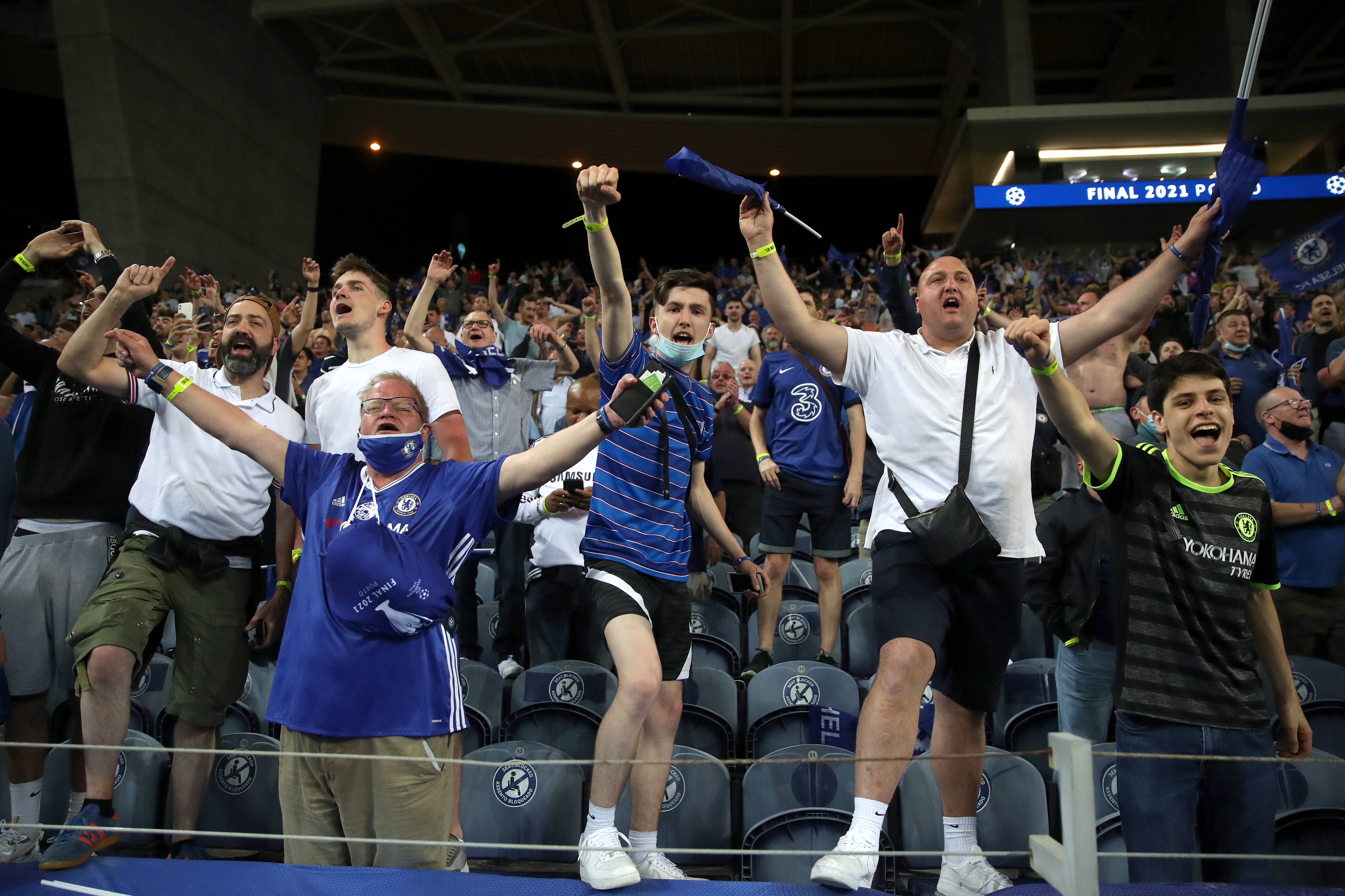
In 2019, the stadium hosted the inaugural UEFA Nations League tournament, later won by Portugal, and the 2021 UEFA Champions League Final between Manchester City and Chelsea, which was relocated from Saint Petersburg Stadium due to the COVID-19 pandemic.
In addition, Estádio do Dragão is a potential venue for the 2030 FIFA World Cup, co-hosted by Portugal, Morocco, and Spain.
The FC Porto stadium has also been used for various events, including concerts by The Rolling Stones, Coldplay, Muse, and One Direction.
52,000 (FC Porto – FC Barcelona, 16/11/2003)
Porto’s primary rivalries unfold with the other members of Portugal’s ‘Big Three’, Benfica and Sporting CP. These rivalries arise from a historical, political, economic, and cultural clash between the cities of Porto and Lisbon.
The intensity of these rivalries escalated over the past decades, particularly following Pinto da Costa’s assumption of Porto’s presidency in 1982. Da Costa adopted a regionalistic and confrontational approach towards Lisbon, further fuelling the flames.
Of these rivalries, the clash with Benfica, known as O Classico, stands out as the most passionate. It represents a collision between the most iconic football symbols from each city and the current most decorated Portuguese clubs.
Additionally, Porto maintains a robust rivalry with local counterparts Boavista, often referred to as O Dérbi da Invicta.
Reviews
Be the first to leave a review of FC Porto!
Why not write your own review of this ground and have it included in the Guide? Find out more about submitting a Fans Football Ground Review.