

West Ham United have been warned that internal disagreements over the club's ownership may have cost them the chance to buy the London Stadium at a reduced price.
The Greater London Authority (GLA) is now looking to increase the venue's value before any potential sale.
What has been said about the future of the London Stadium?
Former Everton chief executive Keith Wyness believes the Hammers have missed an opportunity to secure their home ground at a knockdown price, with the GLA now seeking to improve the stadium's commercial prospects.
The comments come after West Ham owner Daniel Kretinsky expressed an interest in potentially buying the venue, which continues to generate significant losses for London taxpayers.
However, the GLA is exploring additional commercial and leisure opportunities, while also looking to increase the stadium's allowance for concerts to 24 per year.
Wyness believes those plans are part of a negotiating strategy designed to increase the ground's valuation before the Championship club considers making an offer.
Speaking to Football Insider, he suggested that disagreements between Kretinsky, David Sullivan and Amanda Staveley over the club's ownership had prevented progress on a potential stadium deal.
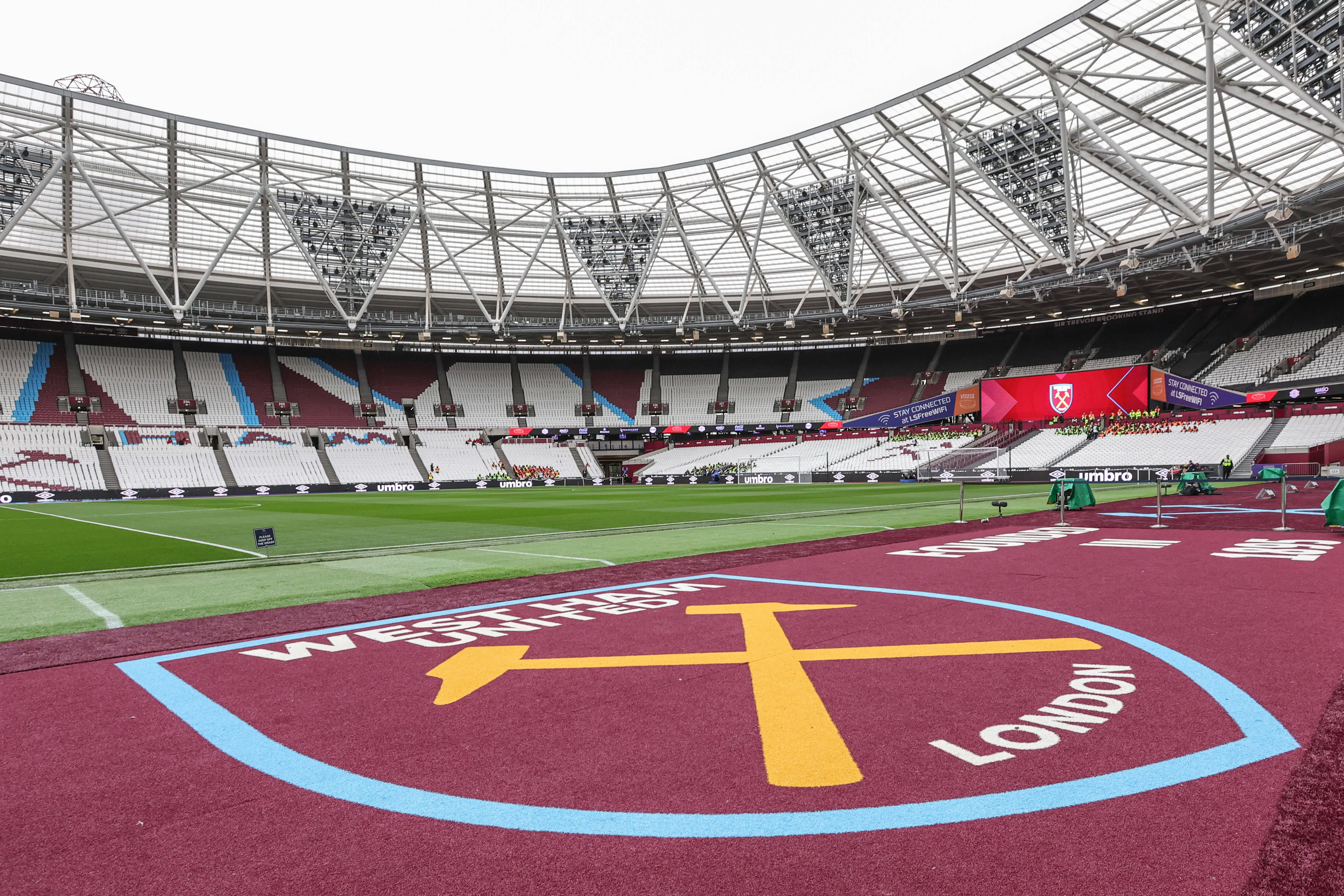
He said West Ham had spent too long fighting internally and had consequently missed the opportunity to acquire the ground at a reduced price.
“I think the West Ham board and Kretinsky and Sullivan, etc. have spent too long fighting amongst themselves and have missed the opportunity to get this stadium at a knockdown price,” he said.
Wyness added that the GLA now wants to make the stadium more revenue-positive, meaning any future purchase could come at a significantly higher cost.
FGG says: West Ham now face more complicated London Stadium purchase
The prospect of buying the London Stadium has always been an interesting one for West Ham, particularly given the financial losses associated with its current operation.
However, the GLA's attempts to improve the venue's commercial performance could make a potential deal more expensive, leaving the club with a difficult decision over whether ownership is worth pursuing at a higher valuation.
West Ham may still have an opportunity to secure their home in the future, but the terms could look very different from those available previously.
With more concerts and commercial activity potentially increasing revenue, the GLA has less reason to accept a cut-price offer.