


Club Brugge have taken another significant step towards building their long-awaited new 40,000-seater stadium, with preparations now underway at the proposed site.
However, the Belgian giants must still reach an agreement with local authorities before major construction work can begin in 2027.
Club Brugge begins preparation for new stadium
Part of the Olympiasite complex was fenced off on October 28th, marking the beginning of preparations for Club Brugge's planned new home.
The southern section of the site has now been cleared for the project following the relocation of Club NXT's youth teams to The Nest training centre in Roeselare, while Cercle Brugge's academy continues to use the northern pitches.
Archaeological surveys and geotechnical investigations are scheduled for November and December, with soil tests assessing ground conditions and the stability of the future structure.
Preparatory work will also include plans for water and electricity connections, although several pathways through the complex have been temporarily closed.
Club Brugge received an enforceable environmental permit in July, but still need to finalise a long-term land lease agreement with the City of Bruges, which owns the site.
The agreement will establish the terms of the club's use of the land, financial obligations and responsibilities for maintaining the surrounding area.
The document was initially expected to reach the city council in October, but consideration has been pushed back to November while outstanding details are finalised.
Mayor Dirk De Fauw does not believe the one-month delay will jeopardise the project, with the current schedule still targeting the start of major construction work in early 2027.
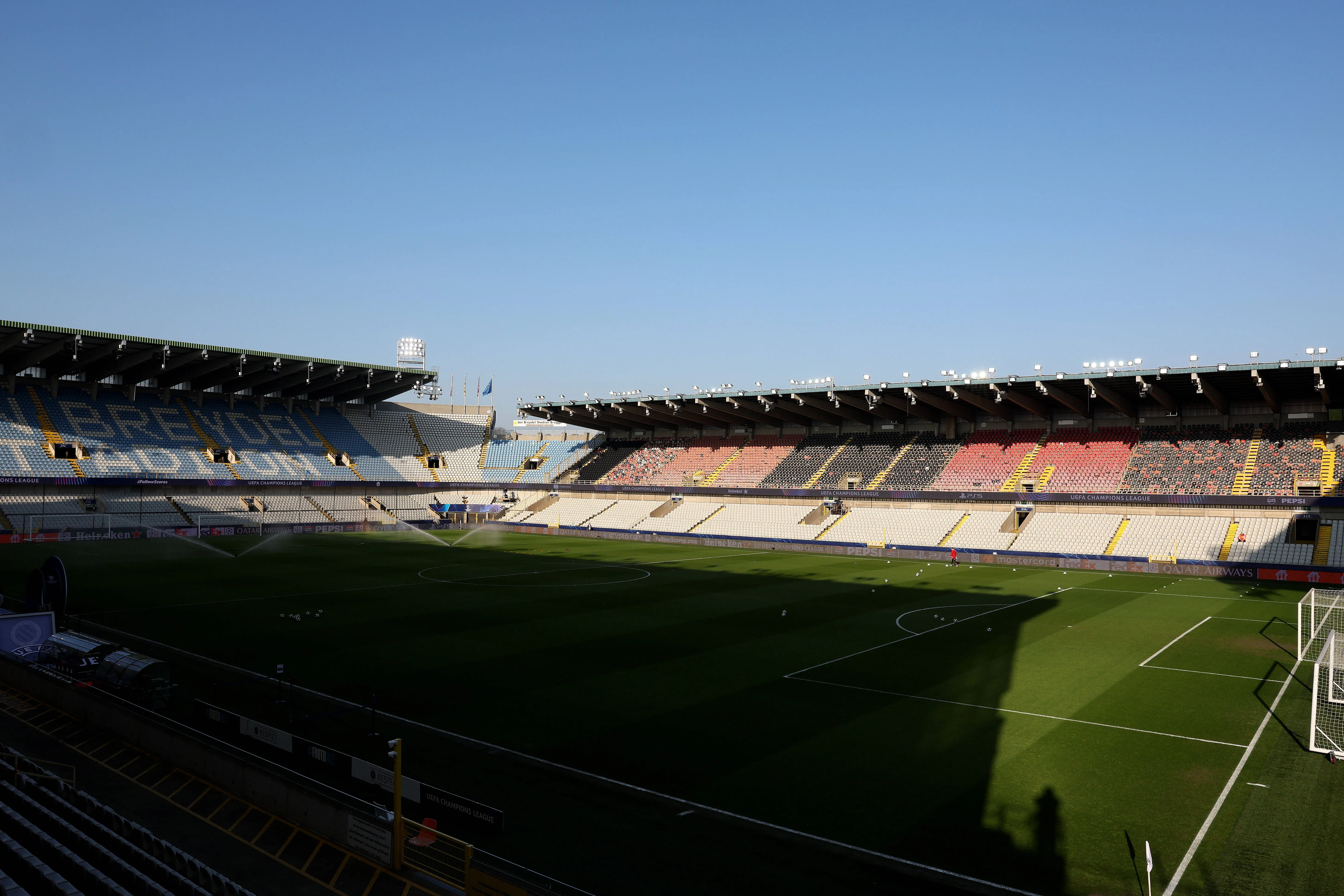
FGG says: Club Brugge stadium update highlights Belgium's changing football landscape
Club Brugge's preparations represent an encouraging development, even if the outstanding land agreement means there are still hurdles to overcome before construction can properly begin.
The proposed 40,000-seat stadium would represent a major upgrade for one of Belgium's leading clubs, but they are not alone in looking towards a new home.
Fellow Belgian giants Union Saint-Gilloise are also exploring plans to move into a new stadium, underlining the growing ambition among the country's biggest clubs to improve their matchday infrastructure.