/https%3A%2F%2Fmedia.footballgroundguide.com%2Fmain%2F2023%2F10%2FWankdorf-Stadium-BSC-Young-Boys-Stadium-Switzerland-stadium-Football-Ground-Guide-3.jpg "Wankdorf Stadium (BSC Young Boys Stadium) 1")
Switzerland’s football scene combines a rich history with modern development. Stadiums across the country offer diverse fan experiences. Each region hosts clubs contributing to Swiss football culture, blending tradition with state-of-the-art venues.
Football stadiums in Switzerland’s major cities
Zurich
Zurich is home to top-tier clubs and a historic stadium that is home to both FC Zurich, and Grasshopper Club Zurich. The latter of whom is the most successful club in Switzerland. However, it is FC Zurich that has been the most recent league winner of the two clubs.
FC Zurich and Grasshopper Club Zurich – Letzigrund Stadium
Basel
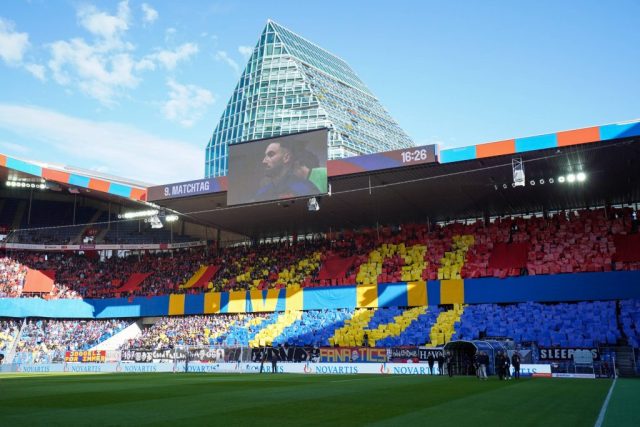
A city synonymous with football excellence and passionate support, Basel are likely the most known side to those outside of Switzerland due to their recent success in the 2010s
FC Basel – St. Jakob-Park
Bern
A blend of tradition and modernity in Switzerland’s capital. BSC Young Boys have won three of the last four Swiss League titles.
BSC Young Boys – Wankdorf Stadium
Geneva
A multicultural football hub in Switzerland’s west. Servette FC calls the region home, and are one of the more successful sides in Switzerland. However, they are yet to win a title since the turn of the millennium.
Servette FC – Stade de Genève
Other notable cities
- St. Gallen: FC St. Gallen – Kybunpark: The oldest Swiss club with a passionate following.
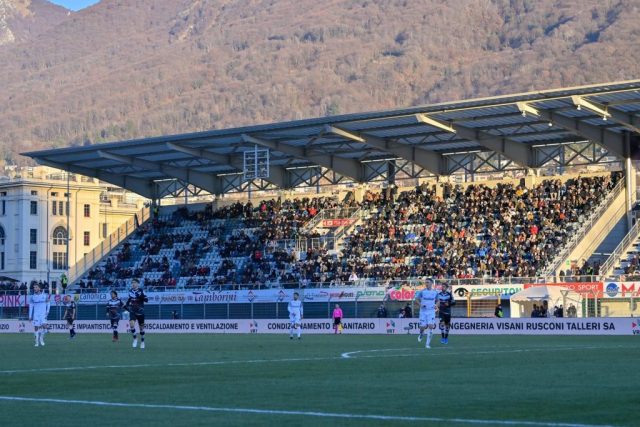
- Lugano: FC Lugano – Cornaredo Stadium: Representing Swiss-Italian football culture.
- Lucerne: FC Luzern – Swissporarena: A modern venue for central Switzerland’s football enthusiasts.
What are Swiss stadiums like?
Swiss football stadiums offer a vibrant and diverse atmosphere that reflects the country’s rich football culture. Each stadium has its unique character, influenced by the club’s history and the passion of the local fans.
The country hosts several more intimate venues, such as Cornaredo Stadium in Lugano. There’s a sense of closeness between the players and supporters. While it features a running track, something common in Europe, it feels more akin to a lower-league stadium in the UK.
Swiss stadiums combine modern facilities with traditional fan engagement, making attending a match a thrilling experience filled with passion, energy, and camaraderie.
Key Stats
Biggest stadiums in Switzerland
While Switzerland doesn’t have the largest stadiums in Europe, they have a few notable ones. Both Basel and Geneva’s grounds are over 30,000 capacity, but don’t let the size fool you. Swiss clubs have a great atmosphere when they play in European competitions.
- St. Jakob-Park (Basel) – 38,512
- Stade de Geneve (Geneva) – 30,084
- Letzigrund Stadium (FC Zurich and Grasshopper Club Zurich) – 26,104
Oldest stadiums in Switzerland
While not quite making our list of the oldest stadiums in the world, Switzerland does feature some old grounds. Both the Stade de Geneve and Stadion Bruhl are pre-war era stadiums. Sadly, due to its being rebuilt, the Stade de la Pontaise doesn’t make our list; however, it would be one of the oldest if it did.
- Stade de Geneve (Geneva) – Opened in 1909
- Stadion Bruhl (Grenchen) – Opened in 1910
- Letzigrund (FC Zurich and Grasshopper Club Zurich) – Opened in 1925
- Stade de la Pontaise (Lausanne) – While the original stadium opened in 1904, it was rebuilt on the same site in 1954.