

Lazio have reportedly made significant changes to their plans to redevelop Stadio Flaminio, reducing the proposed capacity and overall height of the stadium.
The adjustments are designed to address heritage concerns and help the Serie A club secure a crucial public interest declaration from local authorities.
Why have Lazio made changes to their Flaminio Stadium plans?
Lazio's revised proposal would reduce the planned capacity from 50,000 to 47,000 seats, while lowering the stadium's overall height to bring it in line with the neighbouring Auditorium designed by Renzo Piano.
According to reports in Italy, the club's design team has reached an informal agreement in principle with the Superintendency, the authority responsible for protecting Rome's architectural heritage.
The changes follow a preliminary review that returned a positive opinion but included several conditions, with the original stadium design considered too tall for its surroundings.
Rome's municipal authorities have consequently taken a cautious approach, seeking revisions before progressing towards a public interest declaration.
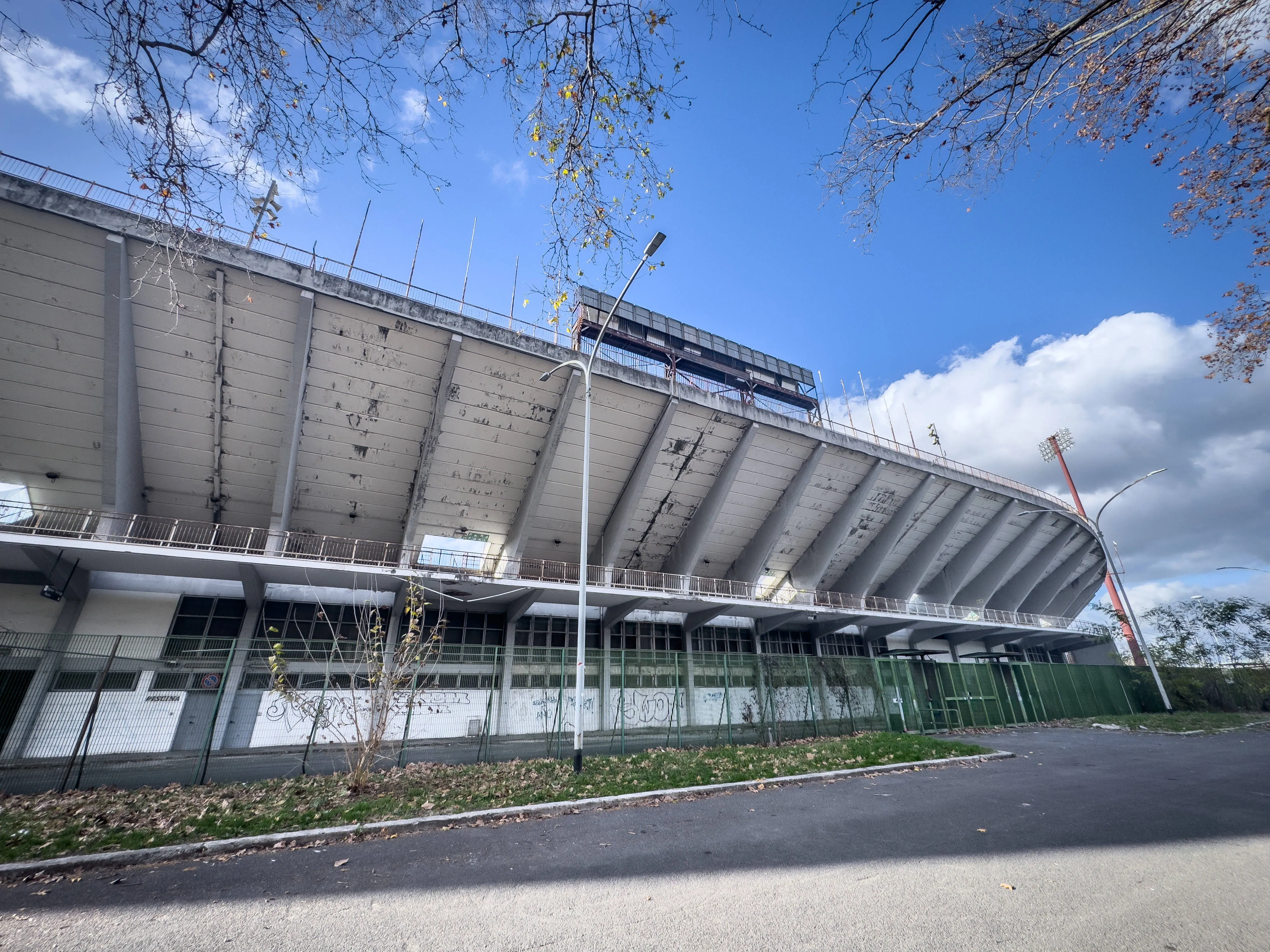
The surrounding area includes several architecturally significant landmarks, meaning the redevelopment must fit into a wider urban landscape.
Lazio must also resolve questions surrounding the stadium's original canopy, designed by Pier Luigi Nervi. The structure has deteriorated during years without maintenance since the ground closed to the public in 2012.
Simulations reportedly suggest that removing the canopy could be necessary on safety grounds, although physical load tests are still required.
Any demolition decision would also need approval from the regional cultural heritage commission.
FGG says: Lazio have had to compromise on new stadium plans
Reducing the capacity by 3,000 seats may appear a relatively modest compromise, but lowering the stadium's profile could prove more significant in satisfying the authorities overseeing the project.
Lazio clearly need to demonstrate that their redevelopment can respect the architectural character of the surrounding area, rather than simply deliver a modern football venue.
The canopy presents another major challenge, given its historical significance and uncertain structural condition.
Ultimately, these revisions could help Lazio move closer to securing the necessary approval, but an agreement in principle is not the same as formal authorisation.