

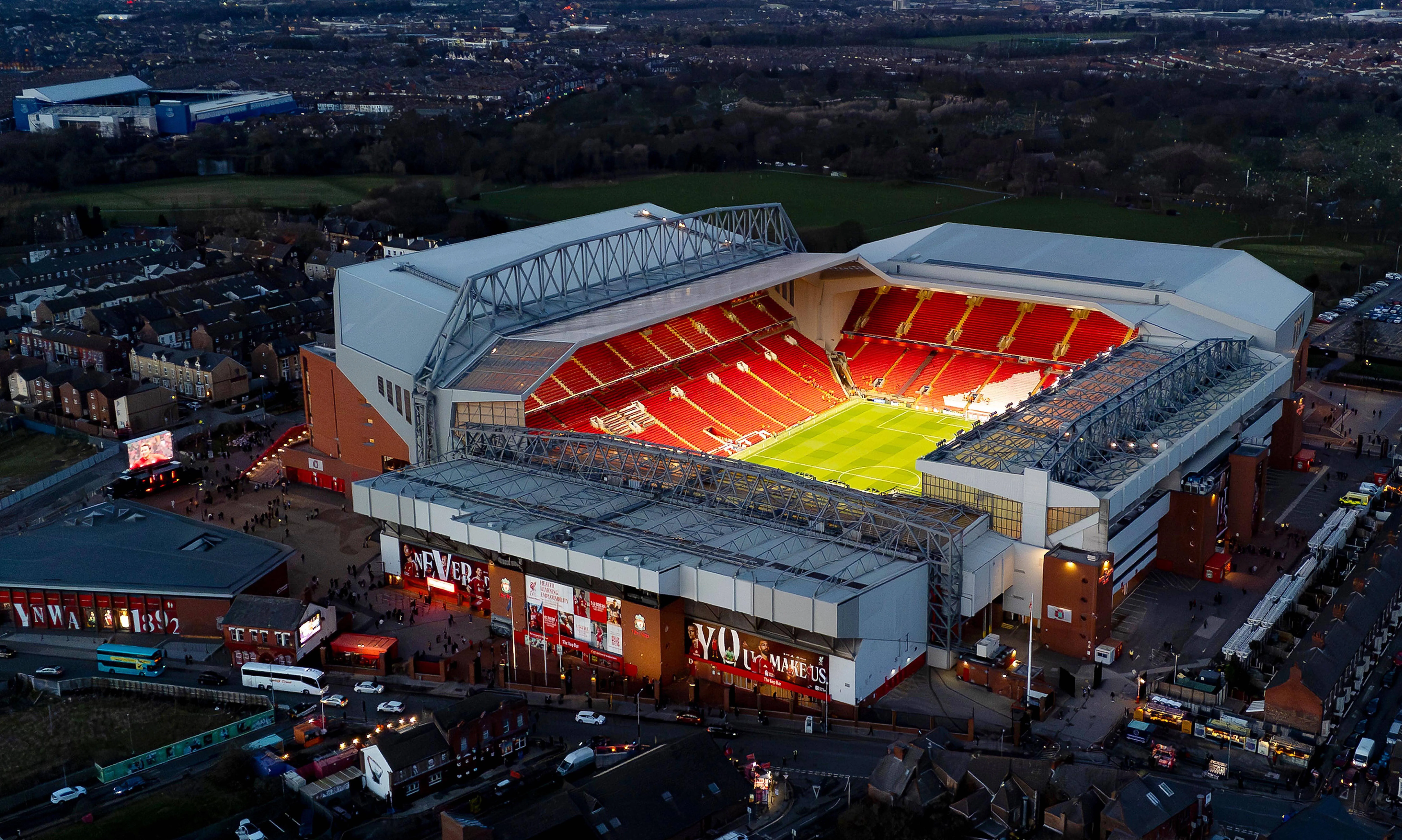
Liverpool have secured greater flexibility over hosting major concerts at Anfield after Liverpool Council approved changes to the stadium's event restrictions.
The decision could open the door to more summer gigs, although the club must still protect a minimum 31-day period each year without major events using the pitch.
Liverpool bid to hold concerts in July is finally approved
Previously, July had been blocked off for concerts and other major events to give residents a break from the disruption caused by football matches and live entertainment.
Under the newly approved arrangements, Liverpool can stage events during July, provided a minimum 31-day period without pitch-based events is maintained. The number of these events will remain limited to six per year, as per the Liverpool Echo.
Anfield has hosted 21 concerts over the past seven years, welcoming major names including Taylor Swift, Dua Lipa, Elton John and the Rolling Stones.
The club argued that greater flexibility would help it meet demand from concert promoters, with representatives highlighting Anfield's status as a preferred venue for global artists.
They also pointed to the economic benefits for Liverpool, warning that restrictions could mean losing lucrative events to other cities.
The change follows previous attempts to amend the licensing arrangements, including a 2024 proposal to remove the July restrictions entirely. The revised agreement retains protections for residents while allowing the club more freedom over scheduling.
The changes could affect the scheduling of Liverpool's opening home fixtures in future Premier League seasons, depending on when concerts are arranged.

FGG says: Anfield's concert flexibility brings opportunity and compromise
The decision gives Liverpool greater scope to attract major artists and generate additional revenue, while potentially delivering economic benefits for local businesses.
It also recognises that July demand from promoters can be difficult to accommodate under a fixed calendar.
However, the 31-day protection period remains important for residents who already live with the disruption of a major football stadium.
The challenge will be ensuring that commercial opportunities do not come at the expense of the surrounding community.