

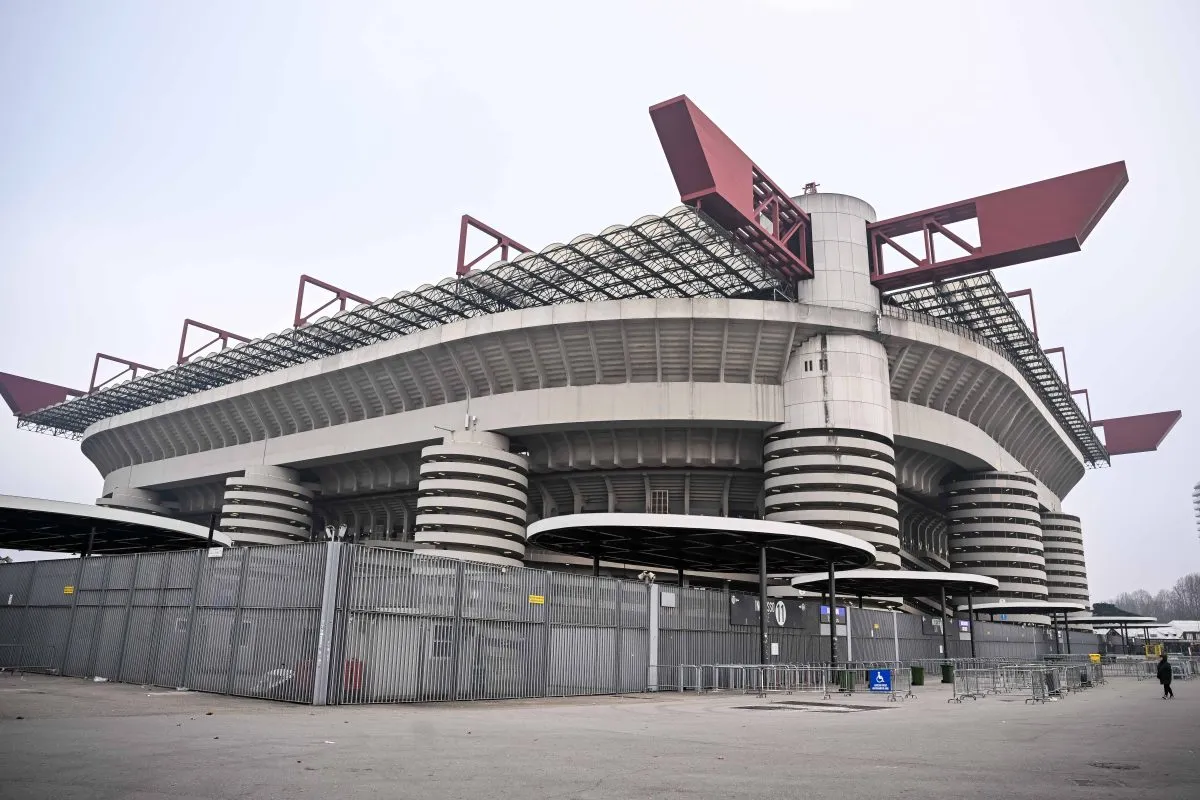
Former AC Milan striker Mark Hateley has defended the decision to replace San Siro with a new stadium, arguing that modern football clubs must prioritise future growth and commercial opportunities rather than remain tied to historic grounds.
AC Milan and Inter unveiled the design for their proposed 71,500-capacity Generali Stadium on Thursday, October 29, just two days before Saturday's Milan Derby.
The new venue, designed by Foster + Partners and MANICA, is intended to replace the iconic Giuseppe Meazza Stadium, with construction expected to begin in 2028 and the first match targeted for the 2031-32 season, subject to the necessary approvals.
The announcement has renewed debate over the future of San Siro, which has been home to both clubs for decades, but Hateley believes the decision reflects the changing demands of the modern game.
Hateley explains why Milan and Inter need a new stadium
Speaking exclusively to FootballGroundGuide, the former England international acknowledged San Siro‘s historical importance but insisted that its legacy should not prevent the clubs from moving forward.
“You cannot live in the past. San Siro is an iconic stadium, but you have to look at the future and where football is going.
“Hospitality is driving football clubs now. New stadiums are built around hospitality, events and everything that happens beyond the match itself.”
Hateley also pointed to Juventus as an example of why having control of a stadium can be important to a club's long-term ambitions.
“Juventus are a good example. They moved into a smaller stadium, but the important thing is that they own it.
“The issue for Milan and Inter has been that they rent San Siro. When you are dealing with a council that receives millions every year from both clubs, it is not easy to change that arrangement or find somewhere else to build.”
AC Milan and Inter completed the purchase of the San Siro site and surrounding land from the Municipality of Milan in November 2025, providing the foundation for their shared development plans.
Generali Stadium: What will replace San Siro?
The new stadium will accommodate approximately 71,500 spectators, with a two-tier design featuring steep stands intended to bring supporters closer to the pitch.
Its architecture, developed by Foster + Partners and MANICA, includes an X-frame structure and a distinctive double-curved roof.
Beyond football, the wider 281,000-square-metre regeneration project is designed to incorporate public spaces, retail, leisure and other attractions, creating a destination that operates throughout the year.
The clubs' plans have not been without opposition. Some supporters remain attached to San Siro's history, while the proposed redevelopment includes partial demolition of the existing stadium.
In October, however, a regional administrative court rejected legal challenges to the sale of the site, allowing the project to move forward.
Hateley believes the transition is ultimately part of football's evolution, adding: “This has been a long time coming. History matters, but you have to move with the game. Modern football is increasingly about hospitality – the prawn sandwiches, if you like.”
FGG Says: Milan's challenge is replacing San Siro without losing its identity
Hateley's argument reflects the commercial realities facing elite clubs, particularly when stadium ownership and non-matchday revenue can influence their ability to compete.
However, replacing San Siro is not simply a construction project, as the new venue must retain the atmosphere and emotional connection that have made the ground special to generations of Milan and Inter supporters. The design promises to prioritise those qualities, but its real test will come when the two clubs eventually move into their new home.
Mark Hateley was speaking to FGG on behalf of BetWright.