

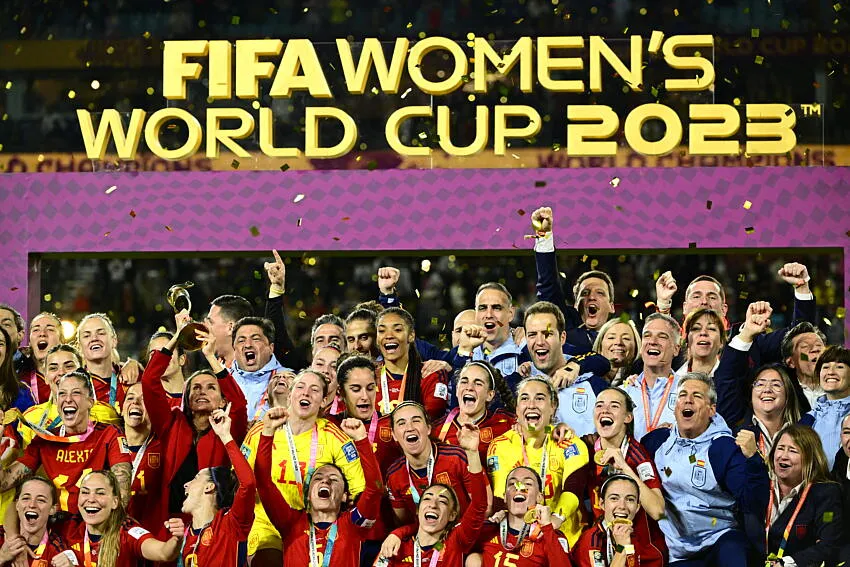
England, Scotland, Wales and Northern Ireland have officially been awarded the 2035 FIFA Women's World Cup, with the 48-team tournament set to become the biggest single-sport event ever staged in the UK.
However, supporters could still face uncertainty over ticket costs, with FIFA retaining control over pricing and the possibility of dynamic pricing remaining on the table.
UK confirmed to host 2035 FIFA Women's World Cup
The joint bid from the four British football associations was approved at an Extraordinary FIFA Congress in Zurich, confirming the first FIFA World Cup to be staged in the UK since England hosted the men's tournament in 1966.
The 2035 competition will feature 48 nations playing 104 matches across 39 days, with 22 proposed stadiums spread across 16 host cities. The final venues and training sites will be confirmed by FIFA in due course.
The host associations are targeting 4.5 million ticket sales, but FIFA will have the final say over whether dynamic pricing is used.
The model attracted criticism during last summer's men's World Cup in North America, with supporters' groups accusing the governing body of price gouging.
Sue Day, the FA's director of women's football, acknowledged that FIFA controls the pricing model but said the host nations hoped to have a “really strong influence” because they understand their audiences best.
Day stressed the importance of making the tournament commercially viable while keeping it accessible, adding that the four associations had eight and a half years to explore ways of making the overall experience affordable, including potential public transport offers.
FGG says: Ticket affordability must be central to the 2035 World Cup
Awarding the tournament to the UK is fantastic news for women's football, but ensuring supporters can actually afford to attend should be just as important as delivering the event itself.
The target of 4.5 million ticket sales demonstrates the ambition, but dynamic pricing risks putting some supporters off, particularly families and younger fans who could be experiencing a major international tournament for the first time.
FIFA has plenty of time to get the approach right. The four host associations should use their influence to push for transparent, accessible pricing and an event that puts supporters ahead of maximising ticket revenue.