

Former Manchester United chairman Martin Edwards has questioned the club's priorities as plans progress for a new 100,000-capacity stadium.
The ex-Old Trafford chief believes investment in the first team must take precedence, sympathising with supporters who have voiced their opposition to the proposed move.
Martin Edwards warns Man Utd over new stadium plans
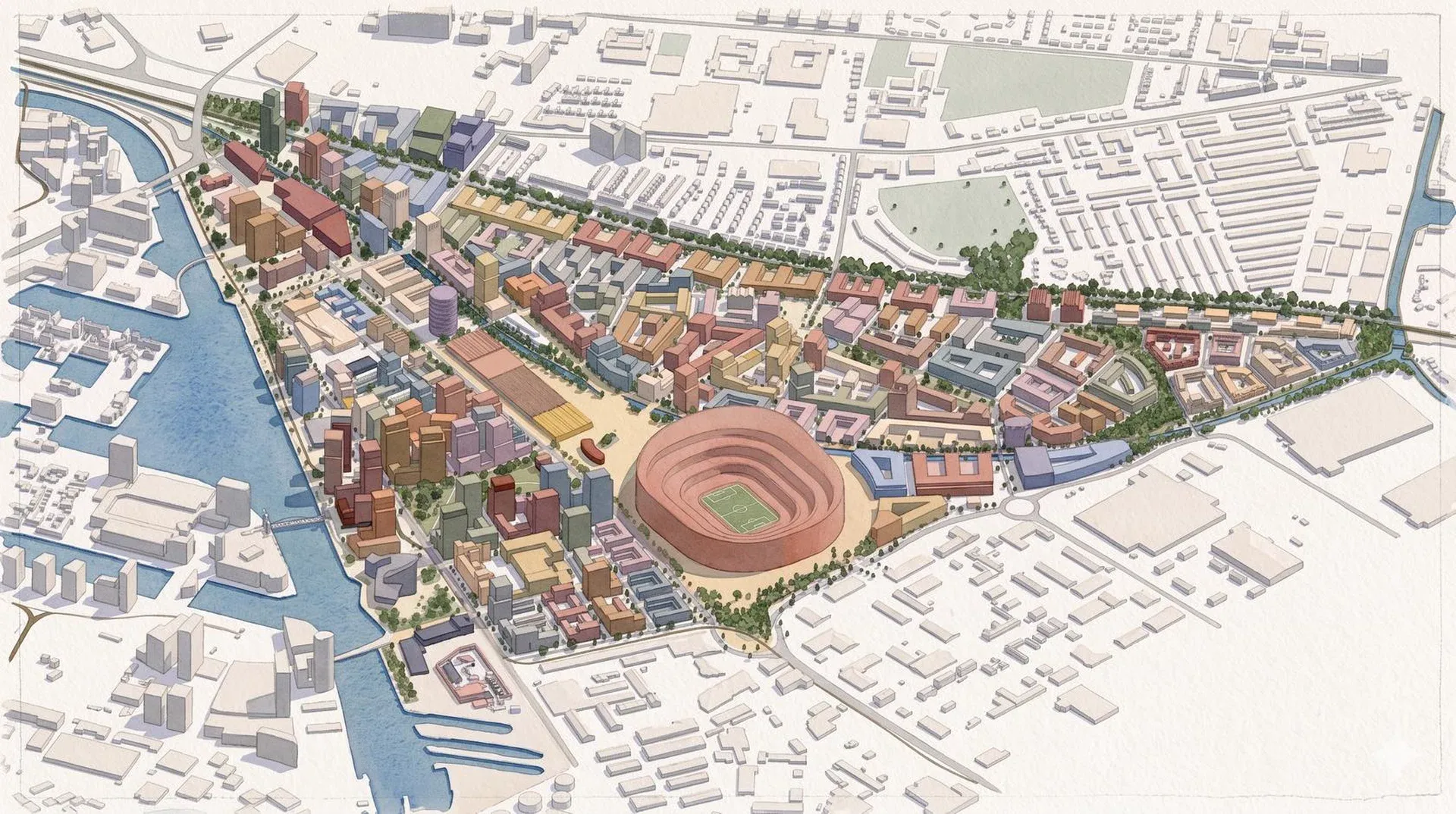
Edwards, who served as United chairman between 1980 and 2002 and appointed Sir Alex Ferguson, has urged the club to focus on strengthening the squad rather than directing so much attention towards a new £2bn stadium.
United intend to leave Old Trafford for a state-of-the-art venue next door within the next decade, but the plans have attracted criticism from supporters amid the club's struggles on the pitch.
Fans have chanted against the proposal during protests targeting co-owners the Glazer family and Sir Jim Ratcliffe, with the team's performances adding to the frustration.
United were 17th in the Premier League at the time of Edwards' comments, although Michael Carrick's side had just ended a nine-game winless run with a 3-2 Champions League comeback victory over AS Roma.
Edwards told The Sun that he could sympathise with supporters, arguing that the players and success on the pitch should remain the club's most important priorities.
He also questioned the value of building a new ground if the team could not attract the crowds to fill it, while suggesting United need investment in both the squad and stadium infrastructure.
The former chairman believes the club must assess where its playing personnel need strengthening, pointing towards potential requirements in midfield, at left-back and centre-forward.
FGG says: United stadium plans mean little without improvement on the pitch
Edwards' comments reflect the frustration surrounding United's current situation, with supporters understandably keen to see improvements to the team as well as the club's wider infrastructure.
A new stadium could transform the matchday experience and commercial potential, but it will not improve results by itself.
United need to ensure their plans for a new home do not come at the expense of building a squad capable of competing at the highest level.
The stadium project and investment in the first team should be treated as complementary priorities, rather than competing ambitions.