

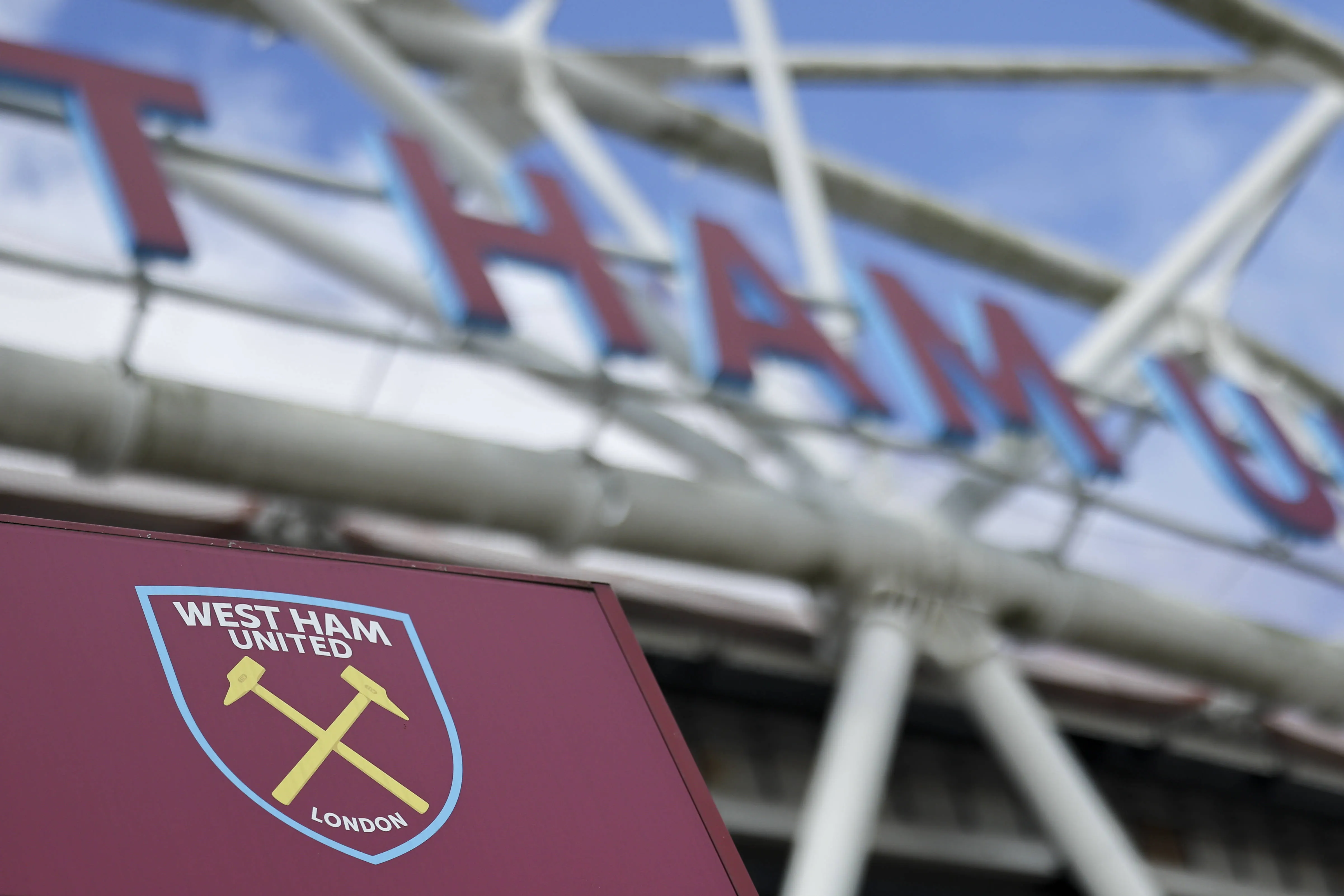
The London Stadium has received approval to more than double the number of concerts and non-sporting events it can host each year, in a move designed to improve its financial position.
The decision could have significant implications for West Ham United, whose long-term tenancy agreement has been blamed for contributing to the venue's substantial annual losses.
London Stadium handed concert approval in bid to cut £19m losses
According to the BBC, Newham Council's strategic development committee unanimously approved plans on Monday to increase the London Stadium's annual allowance for non-sporting events from ten to 24.
The application was submitted by London Stadium LLP, which operates the venue on behalf of its owner, the Greater London Authority (GLA).
The operator has argued that the existing restrictions have prevented it from competing with other major London venues, including Wembley Stadium and Tottenham Hotspur Stadium, for lucrative concert bookings.
London Stadium LLP chair Lyn Garner previously described the 2025/26 campaign as a “particularly bad year”, with just two summer concerts taking place.
Garner has also said the stadium has been recording annual losses in the “ballpark” of £19m for some time, partly because the rent received from West Ham does not cover its running costs.
The club's relegation to the Championship has added to those financial pressures, with its annual rent falling to less than half the £4.6m it previously paid while competing in the Premier League.
Under the approved plans, the number of permitted sporting events will decrease from 87 to 70, although the operator has confirmed that this will not affect West Ham's fixtures or matchday capacity.

FGG says: This approval could ease pressure on West Ham's stadium arrangement
This is a significant development for the London Stadium, which has struggled to generate sufficient income from its existing event schedule.
Allowing more concerts should provide the operator with additional opportunities to attract major performers and improve the venue's financial position.
For West Ham, the immediate reassurance is that their home fixtures and capacity will not be affected by the reduction in permitted sporting events. However, the wider financial implications are worth monitoring.
The club's long-term agreement has repeatedly been criticised, with the stadium's operating losses highlighting the difficulties of the arrangement.
Ultimately, this approval gives the London Stadium more commercial flexibility while potentially reducing the scrutiny surrounding its relationship with the Hammers – whether that translates into a more sustainable long-term arrangement remains to be seen.