

AC Milan and Inter believe their new stadium can help restore their position among Europe's leading clubs after decades of falling behind financially.
The big-money naming-rights agreement with Generali is a major part of that ambition, but the wider commercial opportunities explain why the San Siro replacement is so important.
Milan clubs need Generali Stadium to compete with Europe's elite
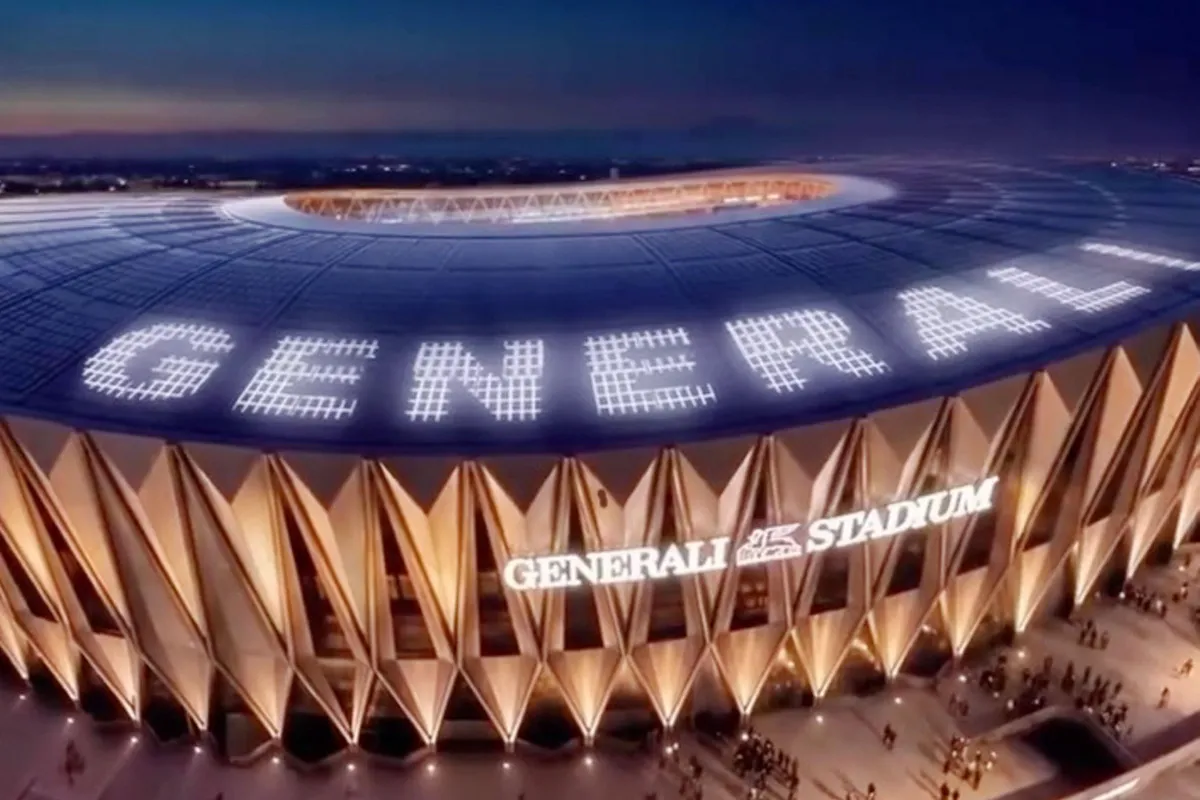
The 71,500-capacity Generali Stadium is scheduled to open in 2031, replacing the iconic San Siro, which has been shared by the two clubs for decades.
Generali, an Italian insurance company, has agreed to pay approximately €650m (£543m) for naming rights through to 2052. The deal equates to roughly £27m per year, or £13.5m for each club, making it one of the most lucrative stadium sponsorship agreements in global sport.
However, AC Milan owner Gerry Cardinale believes the real value extends well beyond the annual payment, as per the BBC.
The new €1.2bn (£1bn) stadium is expected to feature almost 12,000 premium and hospitality seats, while also providing opportunities to host concerts and events across different sports.
Cardinale has argued that modern infrastructure is essential if Milan's clubs are to compete consistently with Europe's biggest teams, pointing to the Premier League's commercial development as a benchmark.
The clubs bought San Siro and the surrounding land for €197m (£164m) in 2025, but believe its ageing facilities and limited commercial potential have held them back.
The naming-rights agreement also provides guaranteed long-term income and security, with Loughborough University sports finance expert Dan Plumley highlighting the importance of securing a 20-year partnership.
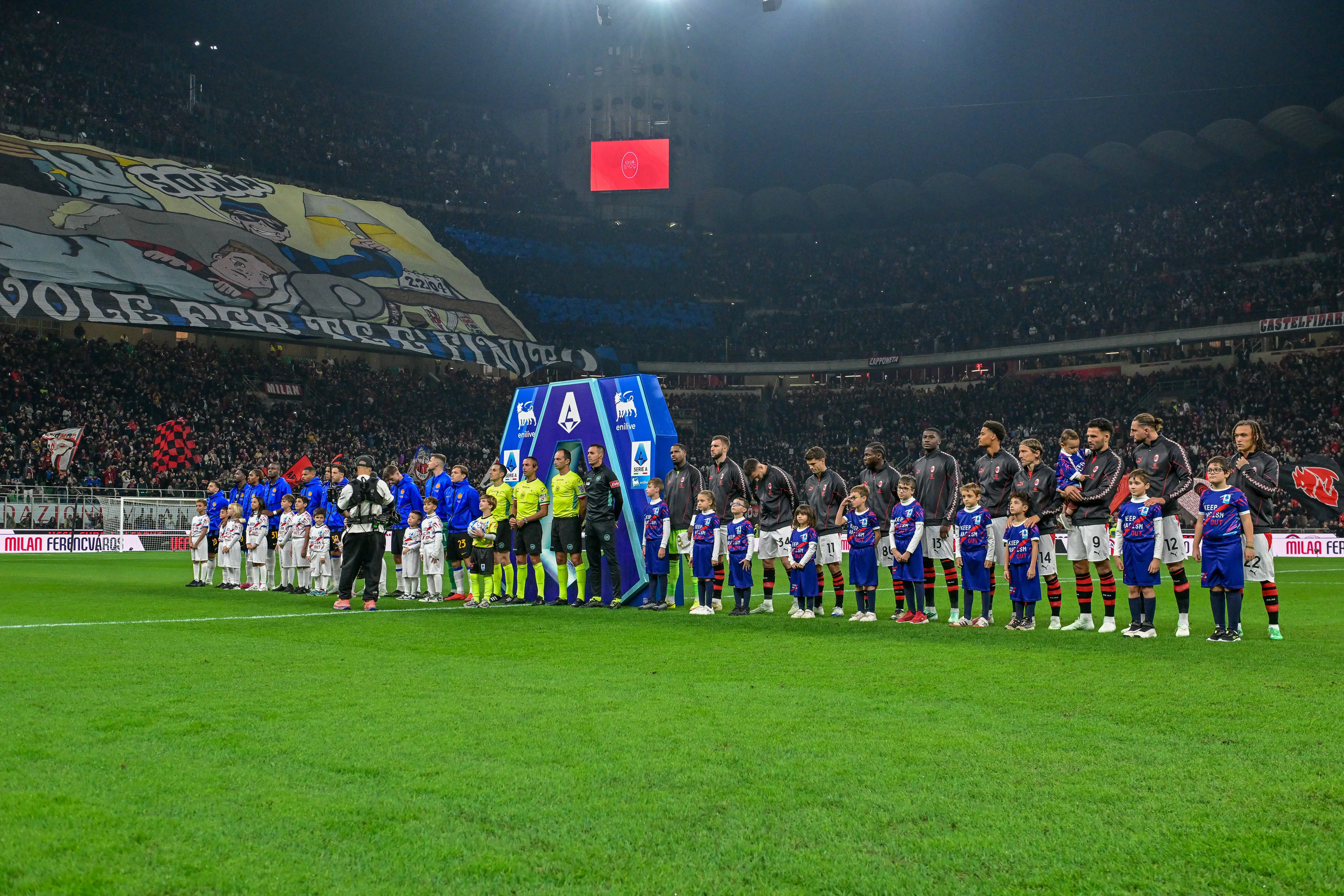
However, the plans have faced opposition from some supporters, with Inter fans protesting against the replacement of their historic home.
FGG says: Generali could change the financial future of Milan's clubs
The naming-rights agreement is impressive, but the bigger story is the opportunity to generate substantially more money through hospitality, premium seating and non-football events.
San Siro remains one of European football's most recognisable stadiums, but history alone cannot provide the commercial infrastructure required to compete with the continent's wealthiest clubs.
Milan and Inter are taking a significant financial gamble, and the new stadium will need to deliver on its promise.
If it does, the benefits could extend well beyond matchdays and give both clubs a stronger platform for the future.