

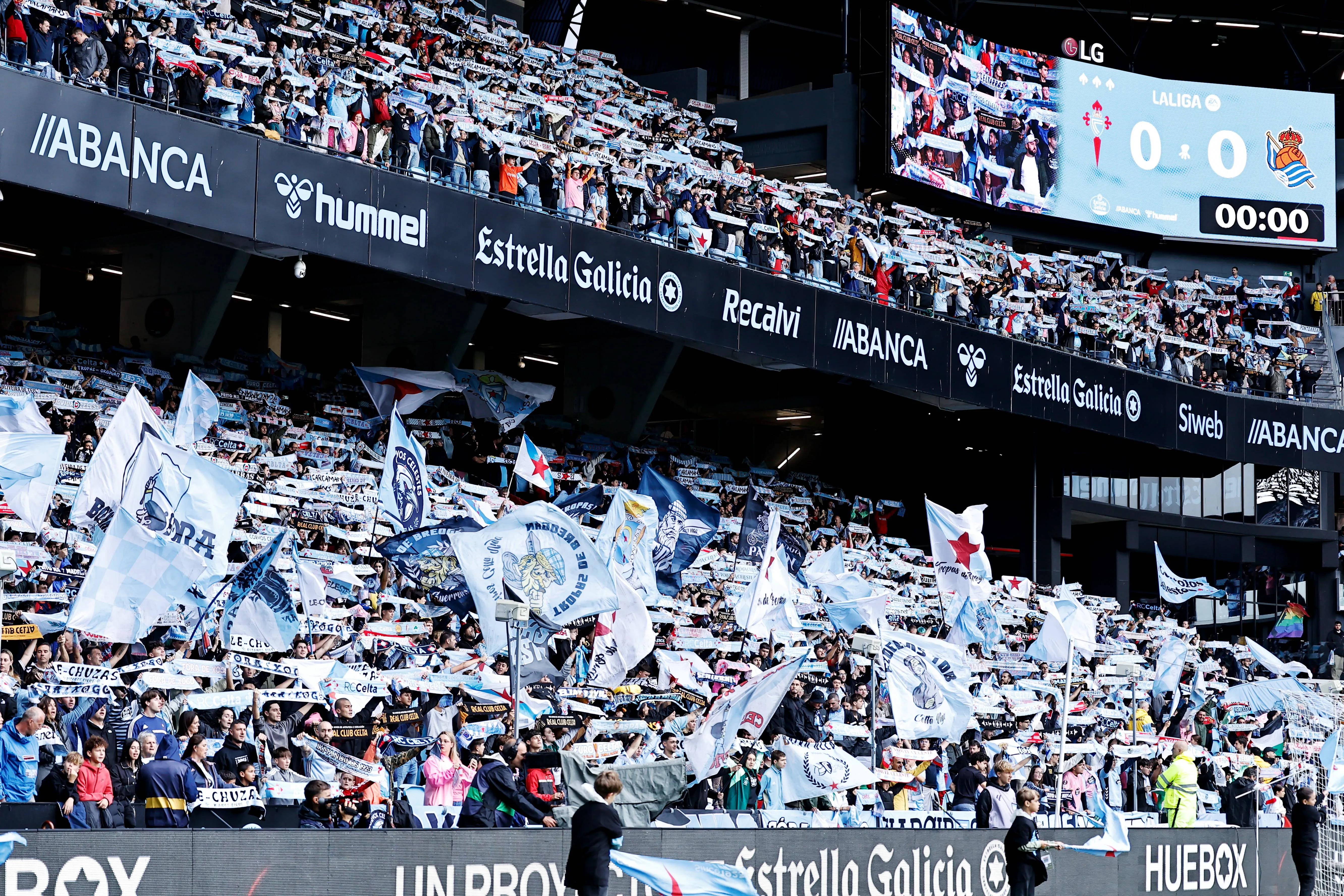
Celta Vigo's Balaidos Stadium is set for a major redevelopment as Vigo steps up preparations to host matches at the 2030 World Cup.
The city's mayor wants three public authorities to share the bill, with the total investment required for the tournament estimated to exceed €107m (£90m).
Balaidos Stadium redevelopment costs emerge as funding talks ramp up
Vigo mayor Abel Caballero has announced plans to submit a funding agreement proposal to the president of Galicia, Alfonso Rueda, and Pontevedra Provincial Council president Luis Lopez.
The largest individual project is the redevelopment of the Tribuna Stand, which has been costed at €86.7m (£72.75m). This includes €76.6m (£64m) for construction, €3.2m (£2.7m) for technical services, €2.3m (£1.9m) for demolition and €1.8m (£1.5m) for design work.
A further €2.82m (£2.4m) has been allocated to relocating collector pipes, with the municipal authorities already funding that work.
The wider plans also cover improvements to the Rio, Marcador and Gol sections of Balaidos, alongside media facilities, volunteer offices and security infrastructure.
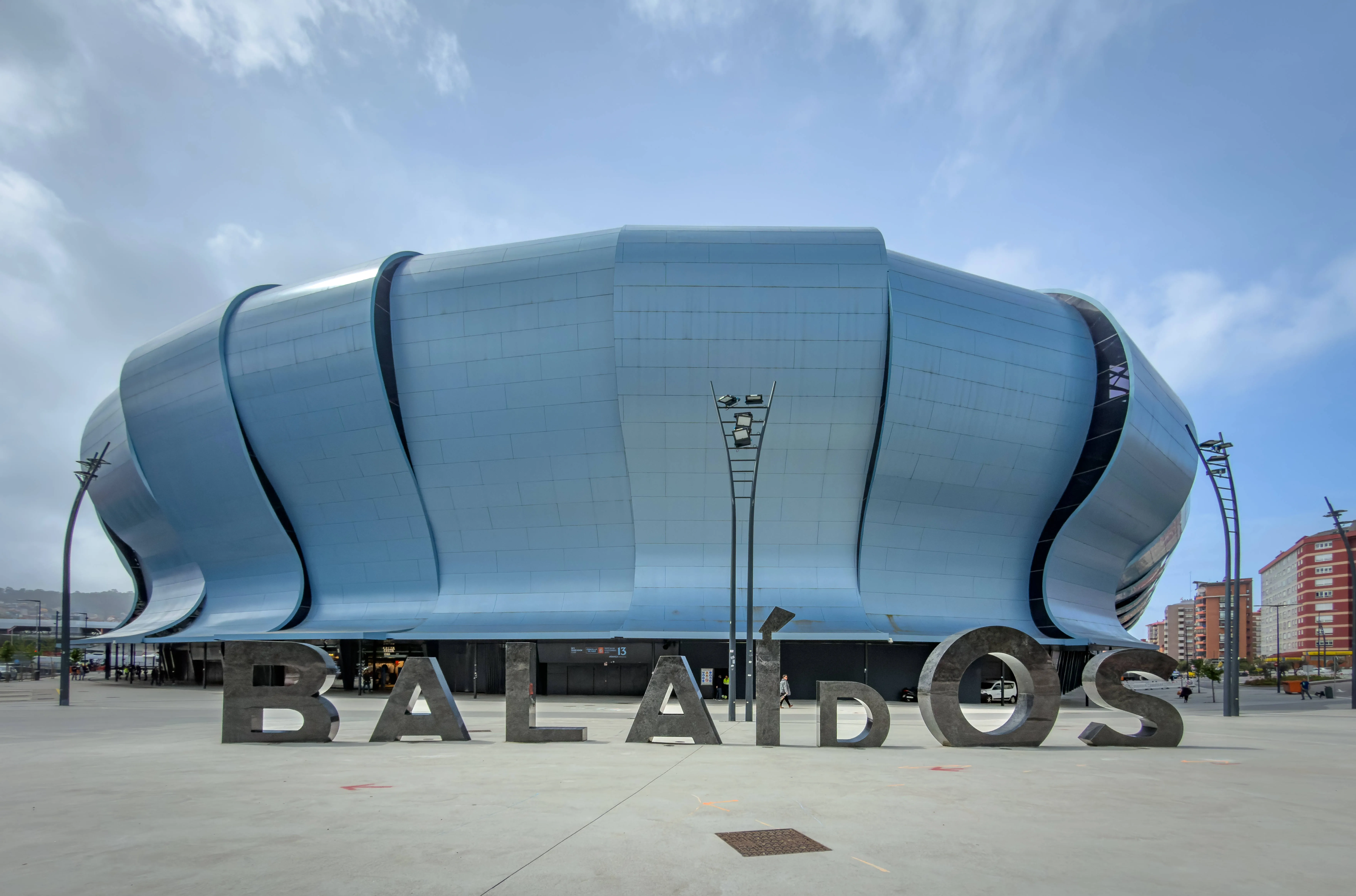
Training pitches and facilities for participating teams will also be required as part of Vigo's preparations.
The overall investment needed to prepare the city for the tournament has been estimated at just over £90m.
Caballero has proposed splitting the costs equally between Vigo City Council, the Galician government and Pontevedra Provincial Council, with each responsible for one-third of the investment.
The proposed agreement would run until December 2030, covering preparations and the tournament itself.
However, the funding arrangements still need to be agreed before the plans can be fully implemented.
FGG says: Balaidos redevelopment a major test of Vigo's World Cup ambitions
The projected costs underline the scale of work required to bring the Balaidos up to World Cup standards.
While the Tribuna Stand redevelopment represents the biggest expense, the wider investment in facilities and infrastructure will also be essential.
An equal funding agreement could give Vigo a clearer route towards delivering the project, but securing cooperation between all three administrations will be crucial.
With 2030 approaching, establishing who pays for what is just as important as finalising the stadium design.