

Real Madrid, Osasuna and Real Betis are among several Spanish clubs facing proposed financial sanctions following investigations into supporter behaviour and stadium security.
The latest measures also include fines for Celta Vigo and Rayo Vallecano, while two upcoming fixtures have been designated high-risk.
Spanish chiefs aim to crack down on supporter behaviour
Spain's Standing Committee of the State Commission against Violence, Racism, Xenophobia and Intolerance in Sport has proposed a €30,000 (£25,000) fine for Osasuna over its links with supporter groups associated with ultra organisation Indar Gorri, per reports in Spain.
The investigation examined the activities of Sadar Bizirik and its connections with Indar Gorri, with authorities raising concerns about individuals with previous disciplinary records being involved in directing stadium animation, alongside shortcomings in the club's supervision of supporter-group documentation.
Real Betis have also been proposed for two fines, worth €30,000 (£25,000) and €5,000 (£4,200), after supporters brought flares and other pyrotechnics into the stands during matches against Porto and Feyenoord.

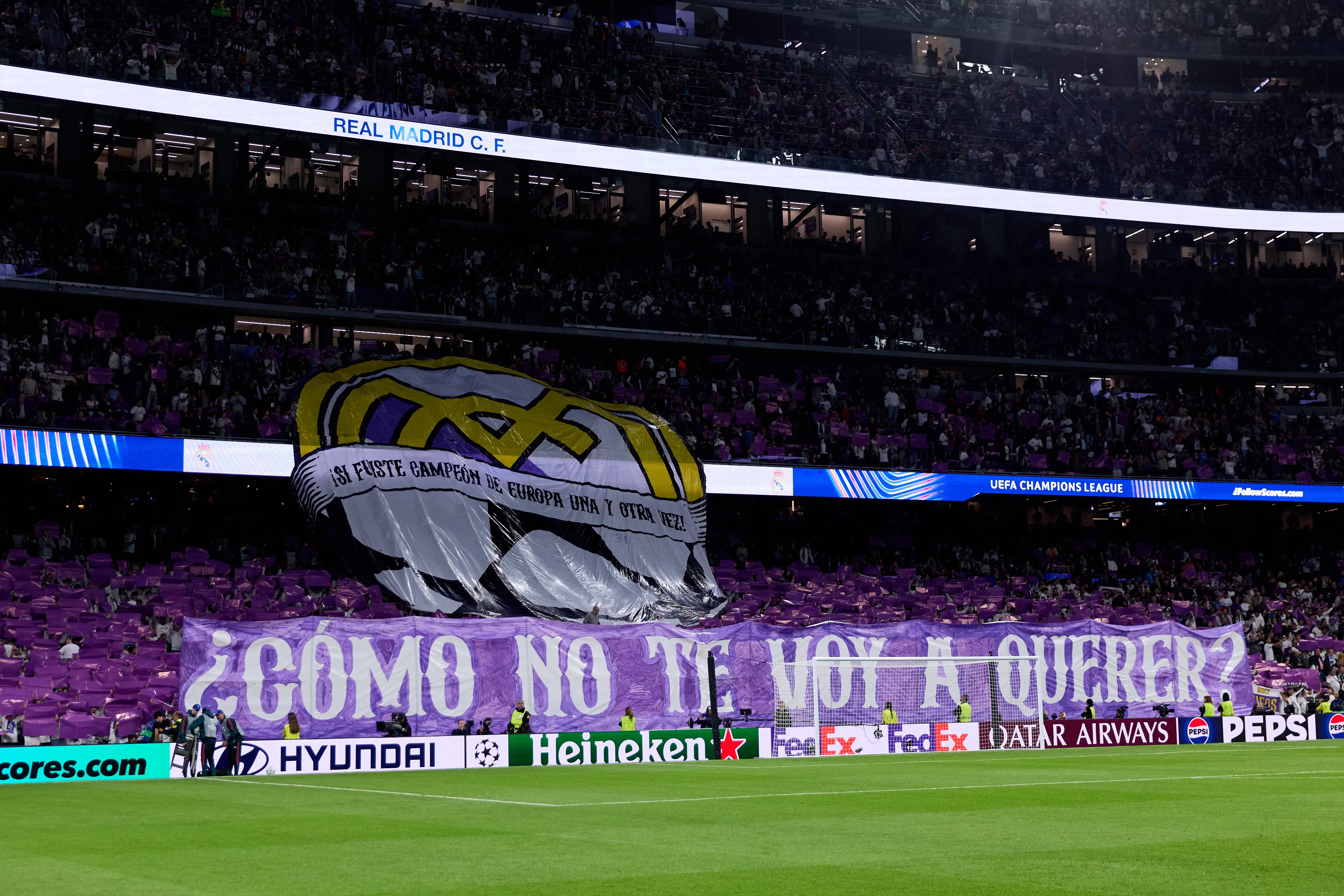
Other proposed sanctions include €5,000 (£4,200) for Celta Vigo over alcoholic drinks in glass containers being taken from VIP areas into seating areas, while Real Madrid and Rayo Vallecano face €3,001 (£2,500) fines relating to unauthorised large banners.
One individual has been proposed for a €60,001 (£50,000) fine and a two-year stadium-access ban after entering a ground despite already being subject to an exclusion order.
The commission has also designated the Sevilla-Real Betis derby on November 21st, and Real Madrid's Champions League meeting with PSV on November 24th as high-risk fixtures.
FGG says: Spanish clubs face renewed scrutiny over stadium security
The proposed sanctions highlight the responsibility placed on clubs to manage supporter behaviour, particularly when it comes to organised ultra groups, pyrotechnics and stadium access procedures.
Osasuna's case is particularly notable because it concerns the club's relationship with supporter organisations and the supervision of individuals involved in matchday activities. Betis, meanwhile, have been targeted over repeated pyrotechnics incidents.
With two high-profile fixtures also classified as high-risk, Spanish authorities are clearly maintaining close attention on stadium safety.