

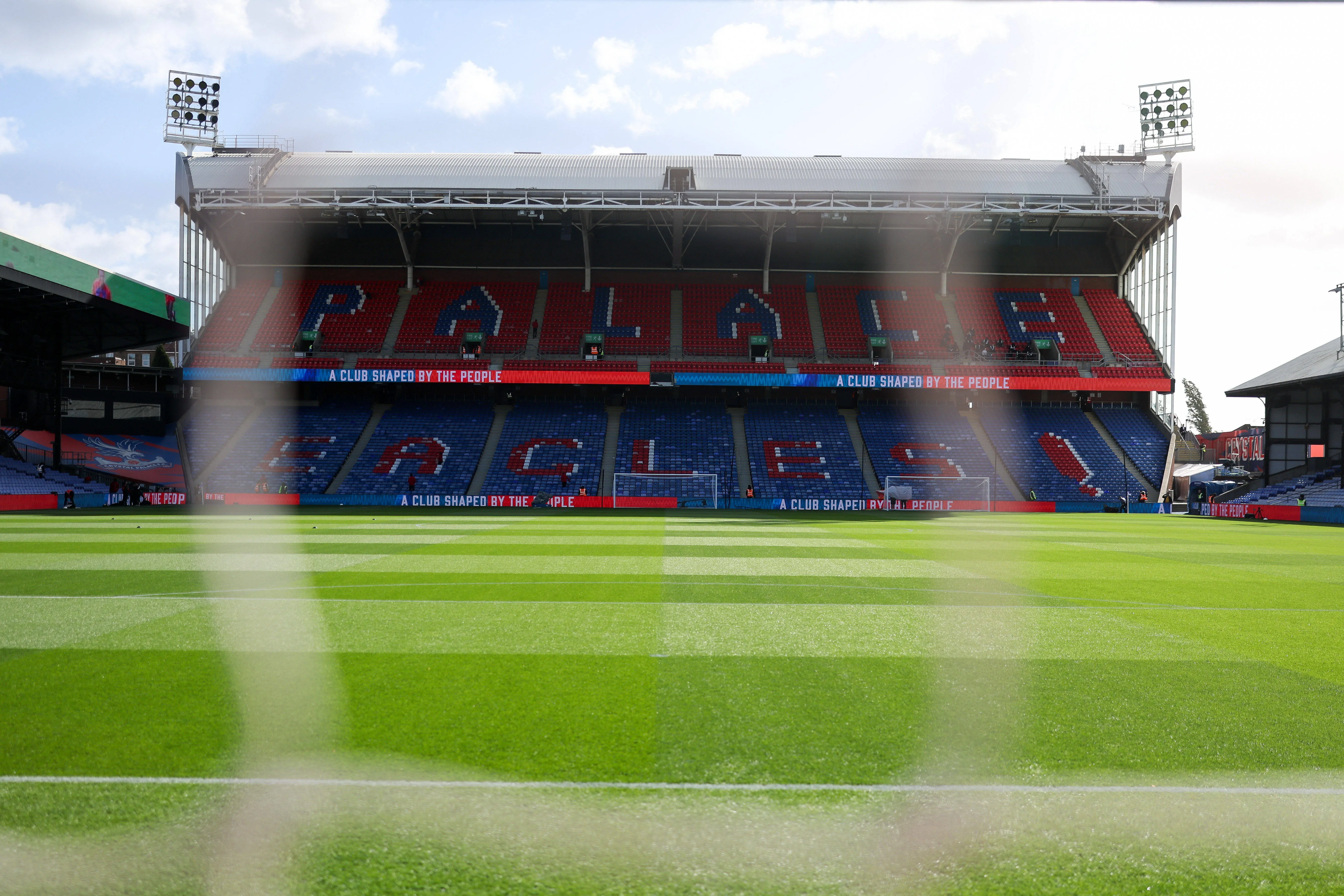
Crystal Palace could fund their long-awaited Selhurst Park redevelopment through borrowing rather than waiting for new investors to arrive.
Former Manchester City financial adviser Stefan Borson believes the Eagles could follow Aston Villa's example, although financing costs would be a significant consideration.
Crystal Palace owners could borrow money to help Selhurst Park expansion
Borson has now suggested Palace's current owners could secure funding for the redevelopment without requiring a takeover or fresh investment first.
He pointed to Aston Villa's financing of the North Stand redevelopment at Villa Park, with the club using loans to support the project while the stand remains closed for the 2026-27 season.
Borson suggested Palace could potentially borrow at around eight per cent interest, describing the rate as high but potentially manageable depending on the amount required to complete the work.
The comments come as Palace's owners explore investment options, with a reported £900m valuation attached to the club should a full sale be considered.

However, the football finance expert questioned whether such a valuation would attract potential buyers, particularly when compared with the reported £1bn valuation of Everton.
Palace's recent success, including winning the FA Cup and qualifying for European competition, has strengthened the club's profile, but the financial implications of redeveloping Selhurst Park remain a major consideration.
Borrowing would allow work to progress without waiting for a new ownership arrangement, although the amount required and the final financing terms would determine whether the approach is viable.
FGG says: Palace could take inspiration from Villa's stadium funding
Palace supporters have waited a long time for meaningful progress at Selhurst Park, and the possibility of funding the redevelopment without first securing new investors offers a potential route forward.
However, borrowing at around eight per cent would create a substantial financial commitment, making careful planning essential.
The key question is whether the improved capacity and matchday facilities could generate enough additional income to justify the cost.