


Football has played a major role in British culture for more than a century.
Although the modern game at the highest level has increasingly moved away from its working-class roots, lower-league football continues to attract passionate support across the country.
Clubs, particularly those with a long history, can be vital to their local communities.
Beyond the match itself, they offer supporters a sense of belonging, shared identity and pride in the town or city they represent.
Many top clubs have grown into global brands, but their local supporters remain an important part of their identity.
Whether you are new to football or keen to explore grounds closer to home, this guide highlights the major clubs across England’s regions.
South East
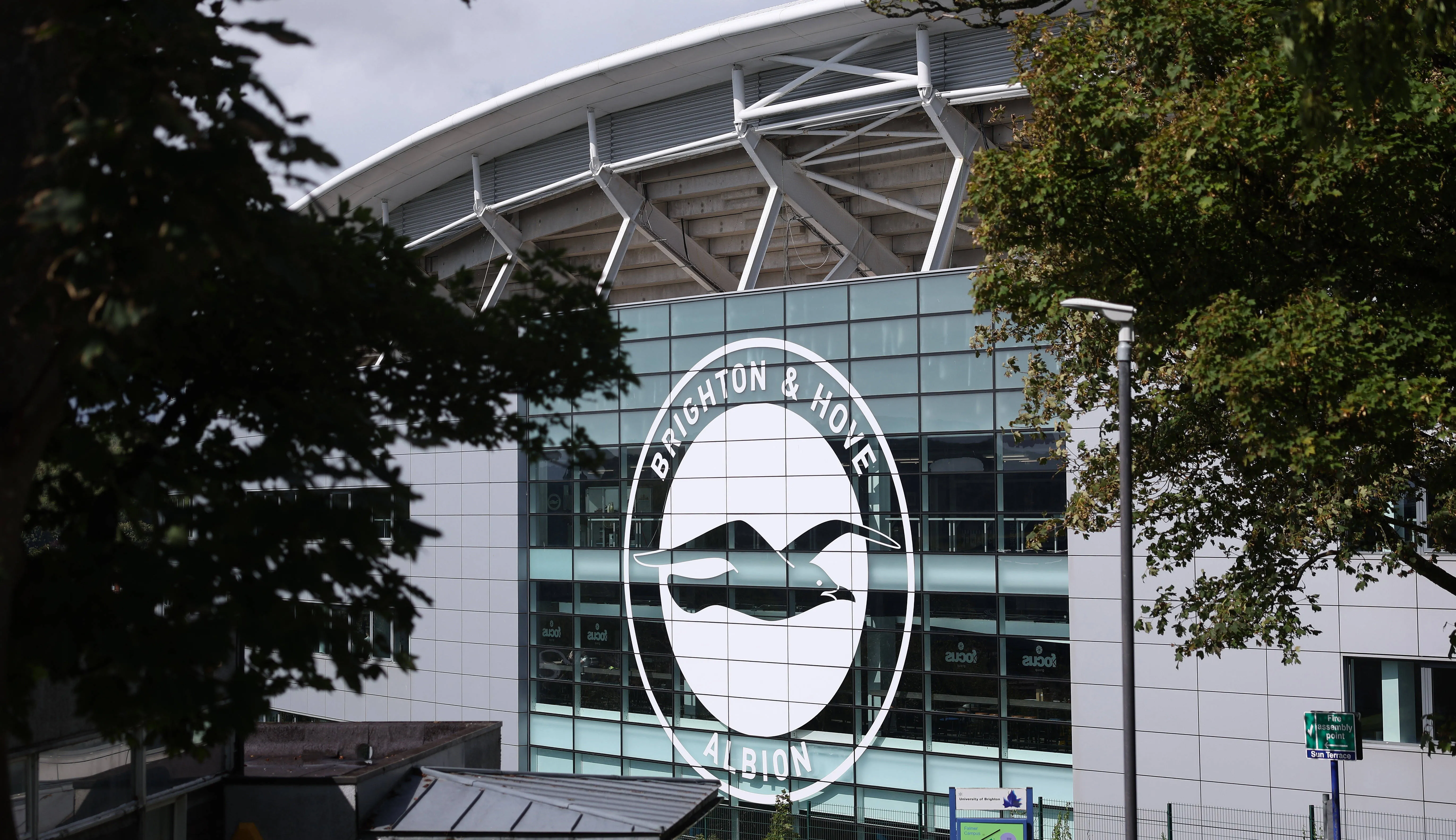
Football in the South East has taken off over the past 20 years. Initially, Southampton and Portsmouth put the area on the map in terms of the Premier League, but over the past decade, Brighton and Hove Albion have been flying the flag for the region, garnering huge attention for their standout recruitment, while even managing to qualify for European competition in recent years..
- Eastleigh
- Ebbsfleet United
- Maidenhead United
- Oxford City
- Oxford United
- Portsmouth
- Reading
- Wycombe Wanderers
- Crawley Town
- Brighton and Hove Albion
- Southampton
- MK Dons
- Aldershot Town
- Dorking Wanderers
- Gillingham
- Woking
London
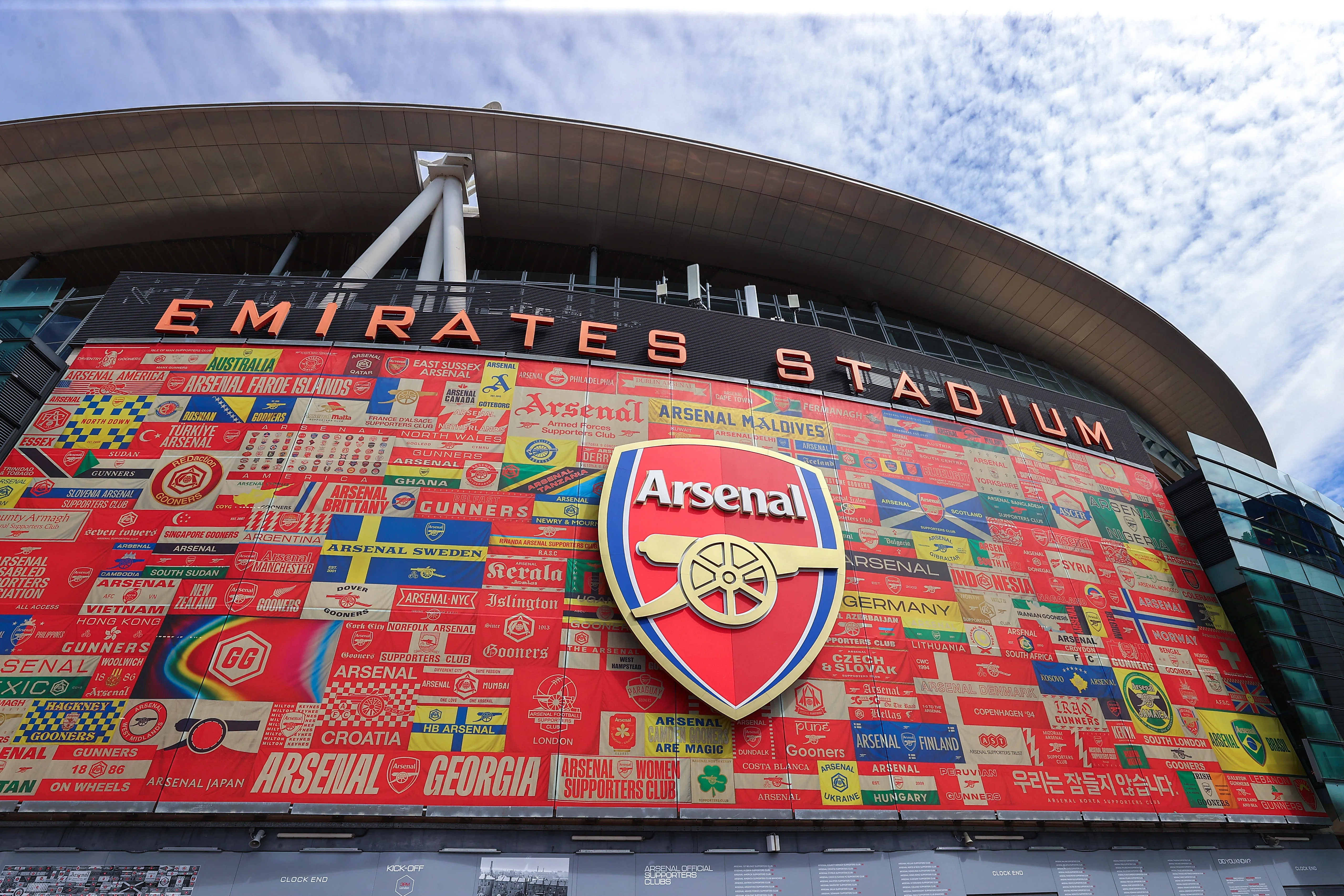
Despite making up a fraction of the country in terms of land mass, it is perhaps no surprise that the capital is home to seven top-flight clubs, the most on this list. London has some huge sides further down the pyramid too, with the likes of Millwall and Charlton Athletic looking to return to the top once again. We have also created a London football ground map to help you navigate them all.
- Arsenal
- Brentford
- Chelsea
- Crystal Palace
- Millwall
- Queens Park Rangers
- Sutton United
- Barnet
- Bromley
- Dagenham and Redbridge
- Wealdstone
- Charlton Athletic
- Leyton Orient
- AFC Wimbledon
- Fulham
- Tottenham Hotspur
- West Ham United
North West
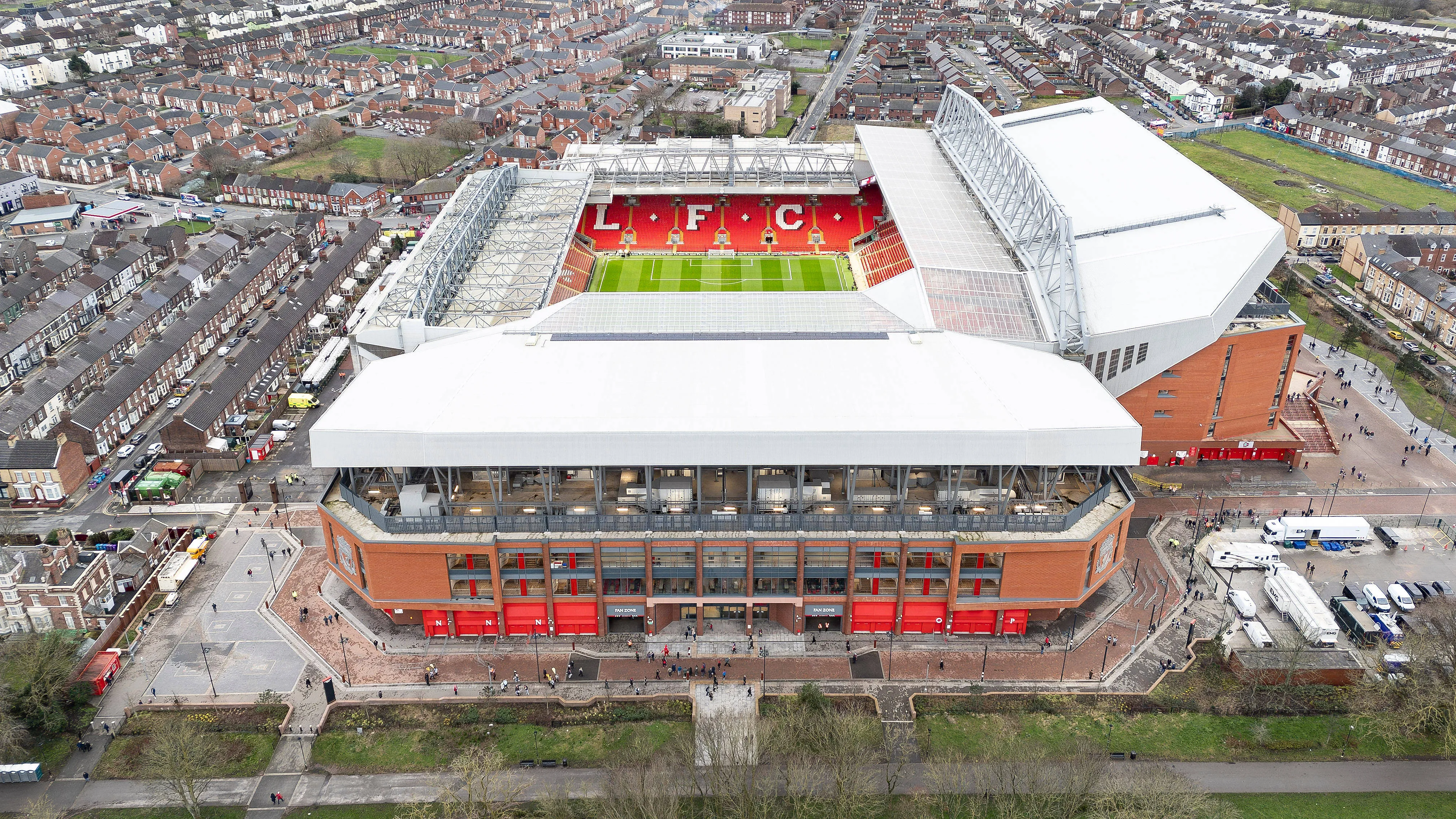
Although London is the capital of England, the best region for football is the North West. The nation's two most successful and biggest clubs, Man Utd and Liverpool, both reside here, and between them, they have 40 Premier League and Division One titles and nine Champions League titles.
There is also the small matter of Man City, who have dominated English football for the past decade and Everton, who were the best side in England during the late 1980s. Other clubs in this area include:
- Manchester City
- Manchester United
- Everton
- Liverpool
- Burnley
- Crewe Alexandra
- Morecambe
- Salford City
- Stockport County
- Tranmere Rovers
- Rochdale
- Blackburn Rovers
- Preston North End
- Blackpool
- Bolton Wanderers
- Carlisle United
- Fleetwood Town
- Wigan Athletic
- Accrington Stanley
- Barrow
- Altrincham
- Fylde
- Oldham Athletic
East of England

The east of England is considered by some as the home of the modern game, owing to the development of the “Cambridge Rules” in 1856. The region has had some success in the top flight, with Luton and Ipswich having played in the Premier League in recent seasons.
- Luton Town
- Ipswich Town
- Norwich City
- Watford
- Cambridge United
- Peterborough
- Stevenage
- Colchester United
- Boreham Wood
- Southend United
West Midlands
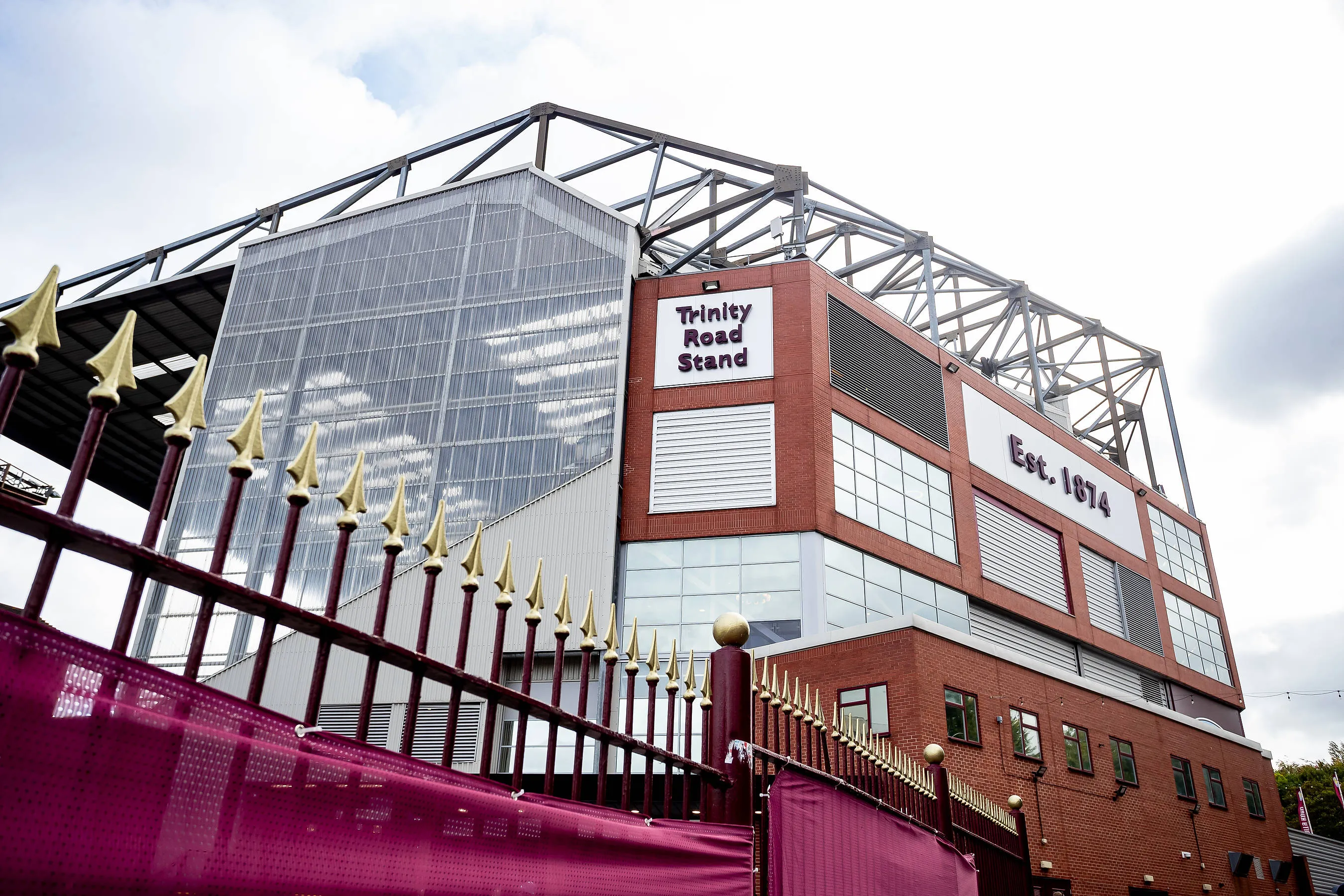
The success of Aston Villa might have come as a surprise this season, but the West Midlands has a long history of competing at the highest level. The region has six sides which all have solid claims to “big club” status, and there is also the small matter of having produced one of the best players in the world, Jude Bellingham.
- Aston Villa
- Birmingham City
- Coventry City
- Stoke City
- West Bromwich Albion
- Wolverhampton Wanderers
- Burton Albion
- Port Vale
- Shrewsbury Town
- Walsall
- Kidderminster Harriers
- Solihull Moors
South West
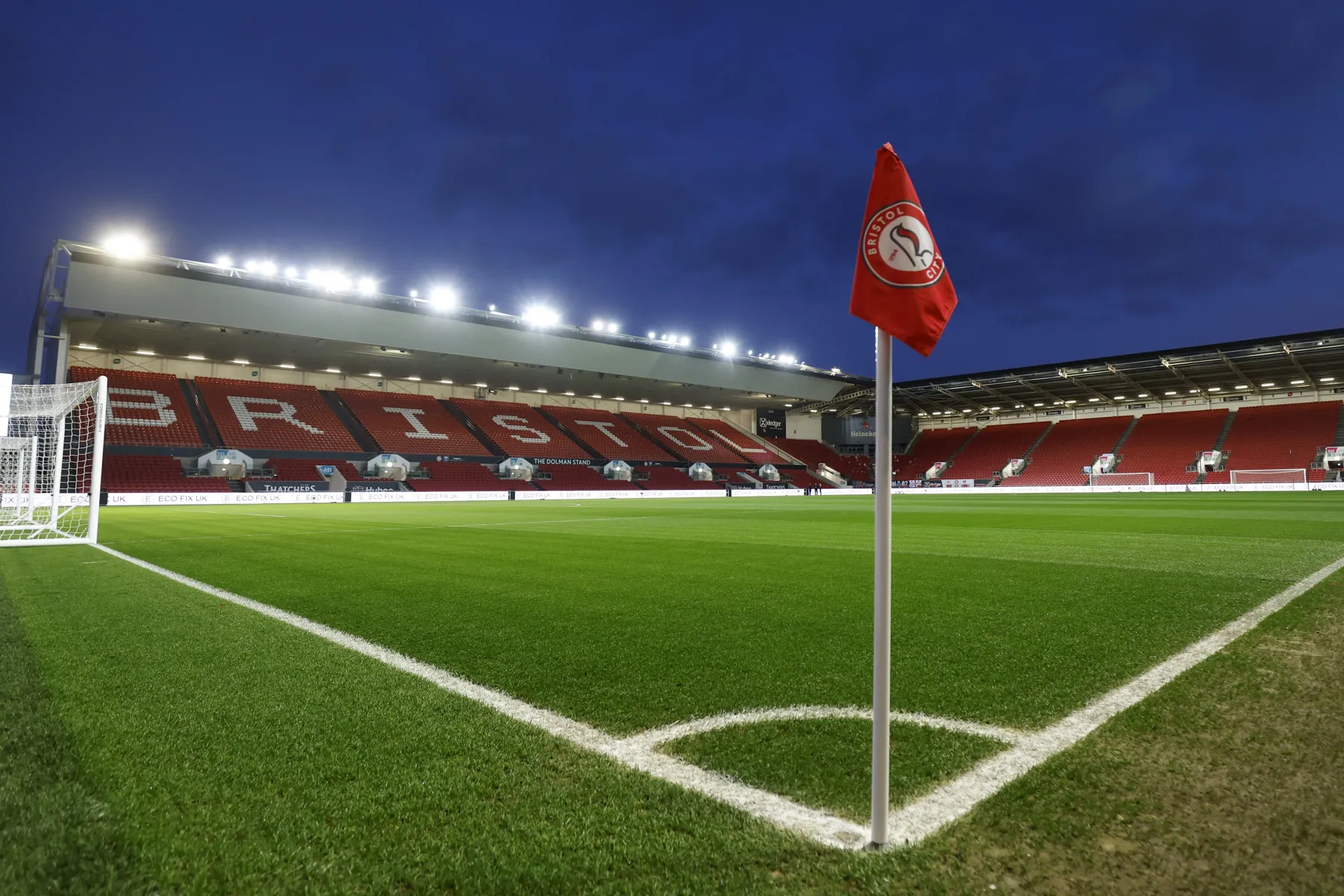
While arguably the weakest set of clubs in this list, the South West can still boast some really exciting outfits. Andoni Iraola’s Bournemouth side have shocked many this season with their attractive, attacking football, although the Cherries have endured a worrying slump in recent weeks.
- Bournemouth
- Bristol City
- Plymouth Argyle
- Bristol Rovers
- Cheltenham Town
- Exeter City
- Swindon Town
- Forest Green Rovers
Yorkshire and the Humber

It would probably be fair to say that the Yorkshire sides have suffered a bit of a slump in recent years. Leeds United are the only side in the Premier League this season, but after an encouraging start to the campaign, they could do the region proud by maintaining their top-flight status.
- Sheffield United
- Huddersfield
- Hull City
- Leeds United
- Rotherham
- Sheffield Wednesday
- Barnsley
- Lincoln City
- Bradford City
- Doncaster Rovers
- Grimsby Town
- Harrogate Town
- Halifax Town
- York City
East Midlands
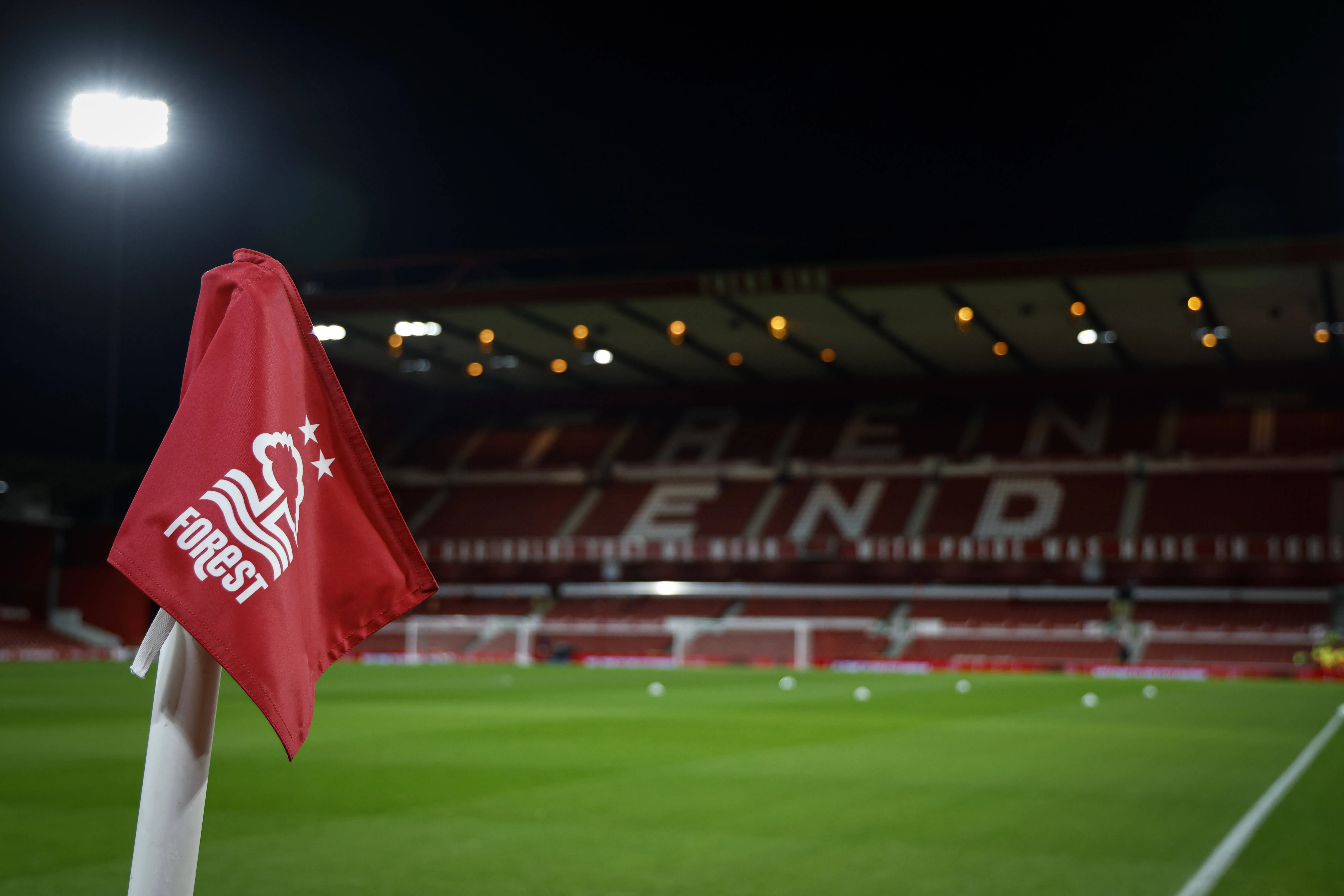
The East Midlands is another region with only one Premier League club, but its clubs are steeped in history. From Nottingham Forest’s back-to-back European Cup wins in 1979 and 1980, to Leicester City’s stunning Premier League win in 2016, East Midlands clubs have pulled off some of the biggest shocks in English football history.
- Nottingham Forest
- Leicester City
- Derby County
- Northampton Town
- Mansfield Town
- Notts County
- Chesterfield
North East
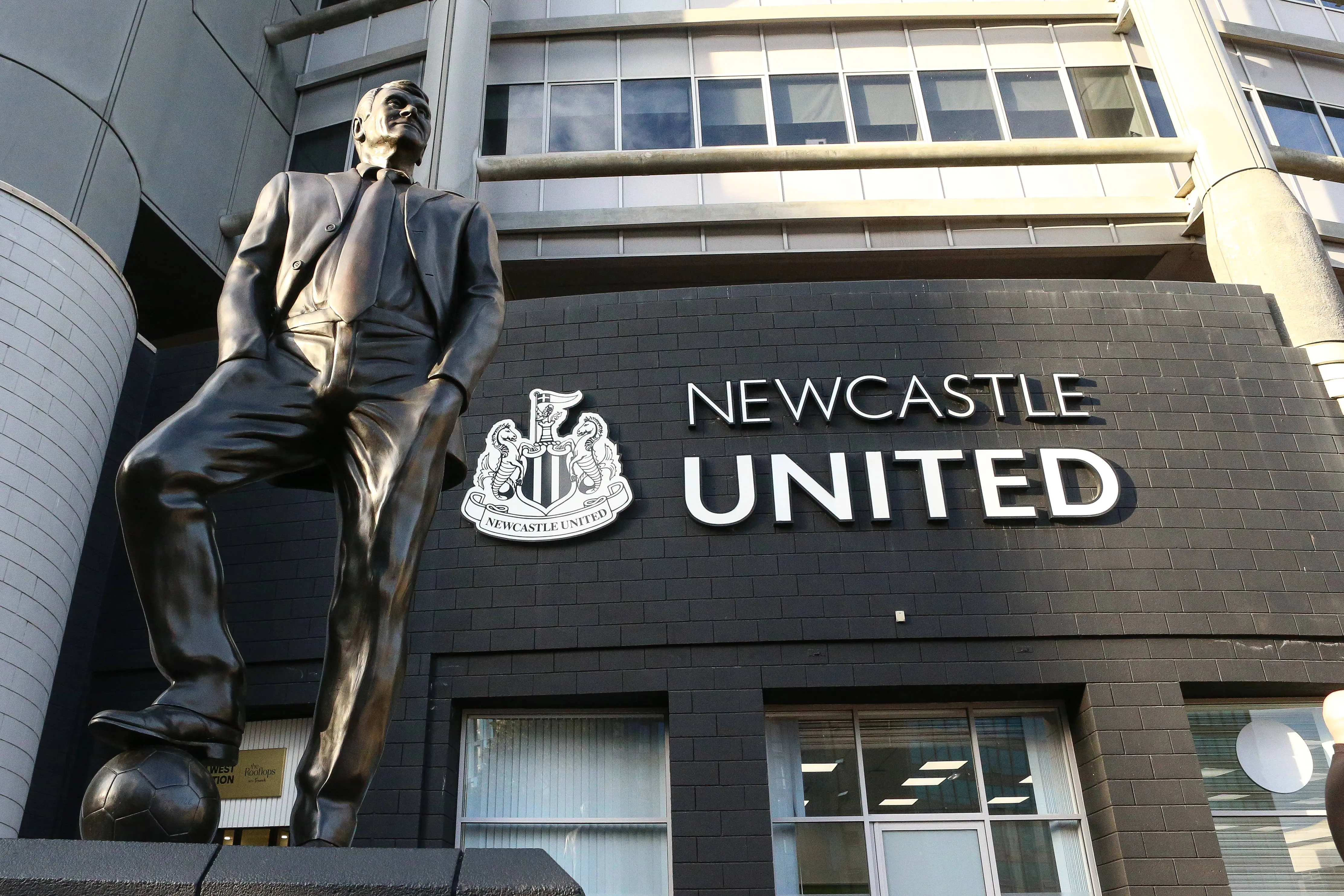
The North East might not be able to boast many clubs in the top five leagues, but what it lacks in quantity it more than makes up for in quality. The 1 between Newcastle and Sunderland is one of the fiercest in the country, and all three league clubs in the region are enjoying periods of success after years languishing in the doldrums.
- Newcastle United
- Middlesborough
- Sunderland
- Gateshead
- Hartlepool
Which English regions have the most Premier League clubs in 2026-27?
London remains the best-represented region in the Premier League, although promotion and relegation have brought some changes to the geographical spread of clubs ahead of the 2026-27 season. Coventry City, Hull City and Ipswich Town have earned promotion, replacing West Ham United, Burnley and Wolverhampton Wanderers.
- London (6): Arsenal, Brentford, Chelsea, Crystal Palace, Fulham, Tottenham Hotspur
- North West (4): Everton, Liverpool, Manchester City, Manchester United
- West Midlands (2): Aston Villa, Coventry City
- Yorkshire and the Humber (2): Hull City, Leeds United
- North East (2): Newcastle United, Sunderland
- South East (1): Brighton and Hove Albion
- South West (1): Bournemouth
- East of England (1): Ipswich Town
- East Midlands (1): Nottingham Forest